
About this project
Facade, Language, Time, Translation
THE SITUATION
A monograph is the most consequential publication in an artist’s career — and the one most likely to betray the work it is meant to carry. The conventional art book organises by biography, medium, or chronology: it makes the work accessible by making it sequential. For most artists, this is adequate. For Andreas Duscha, it would have been a reduction.
Duscha’s practice does not move through time in a line. It moves through conditions: the structural forces that determine how an image can be made and how it can be read. Façade. Language. Time. Translation. Not themes to be illustrated but operational terms — the logic through which the work thinks. The design challenge was to build a publication whose structure mirrors that same logic: organised not by when the work was made, but by the conditions through which it operates.
THE READING
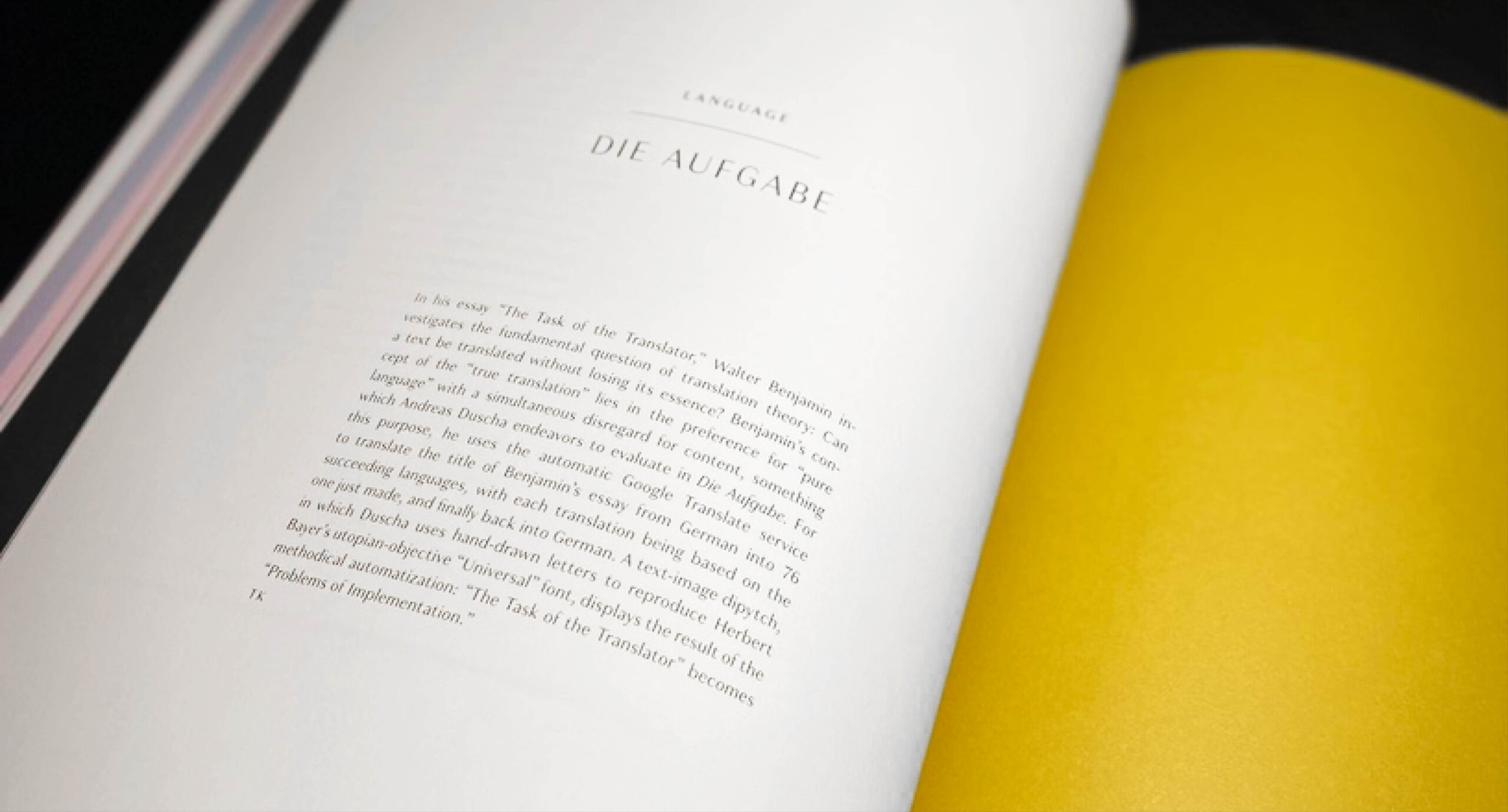
The title announced the framework: Facade, Language, Time, Translation. Four words. Not themes — operational modes. Facade: the surface that stands in for the structure behind it. Language: the system that generates meaning and limits it simultaneously. Time: the force that displaces, delays, alters. Translation: the act that transforms while claiming to preserve.
These were not categories into which the work could be sorted but lenses through which it could be read — and they resisted linearity. The work does not move from facade to translation in a progressive arc. It moves laterally, recursively, by proximity and friction.
Chronology was not only inadequate as an organising principle. It was wrong. To present this practice as a sequence of moments in time would be to betray its central argument: that time does not clarify — it mediates. That meaning is not a destination arrived at but a condition constantly being renegotiated.
THE DECISION
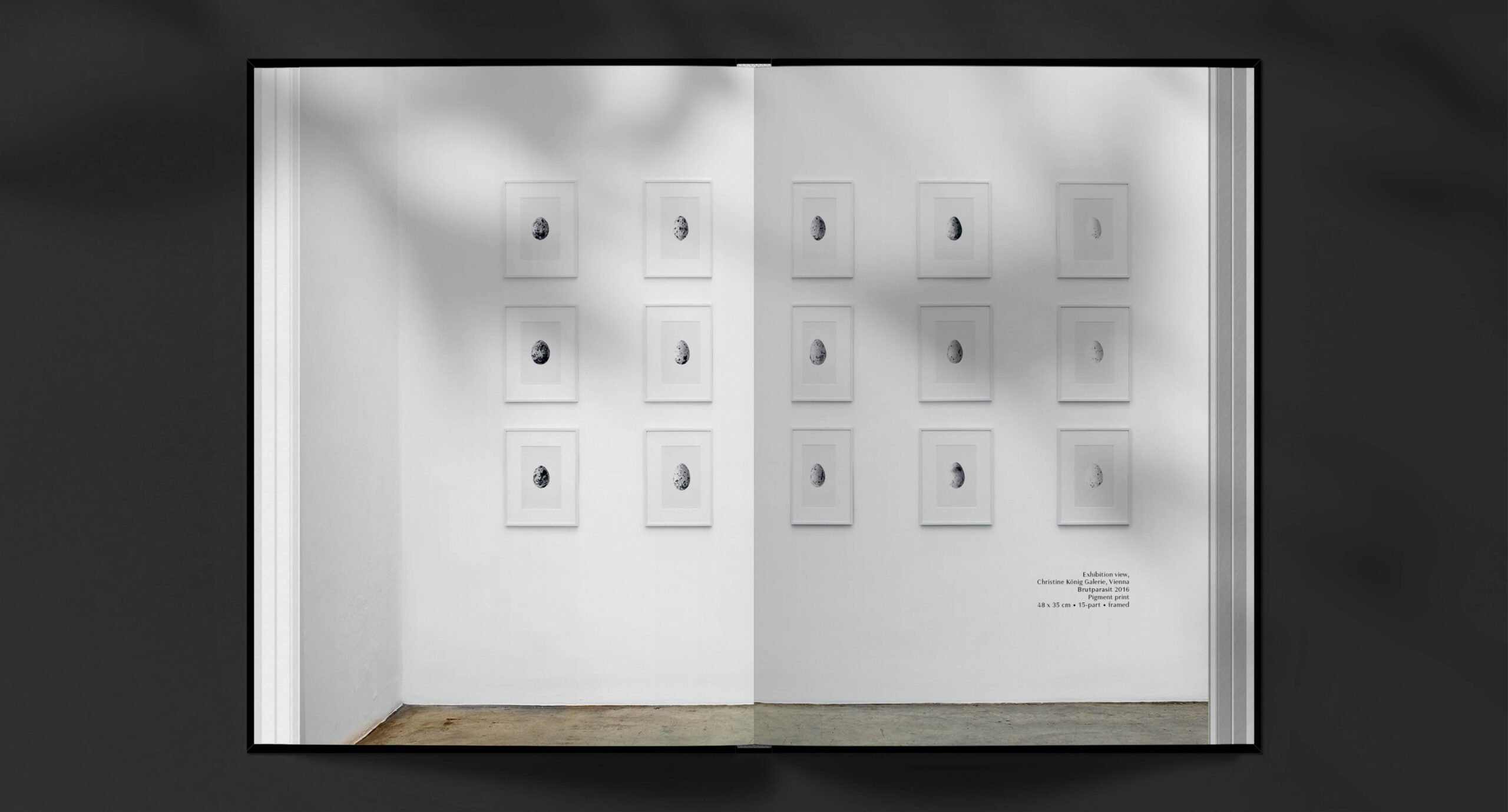
The central decision was structural and it determined everything downstream: the book would be organised by the four conceptual modes of the title — not as labelled chapters, but as atmospheric registers that accumulate rather than resolve. The reader does not progress through the work. They move through it as through a building whose rooms communicate through partial apertures rather than open doors.
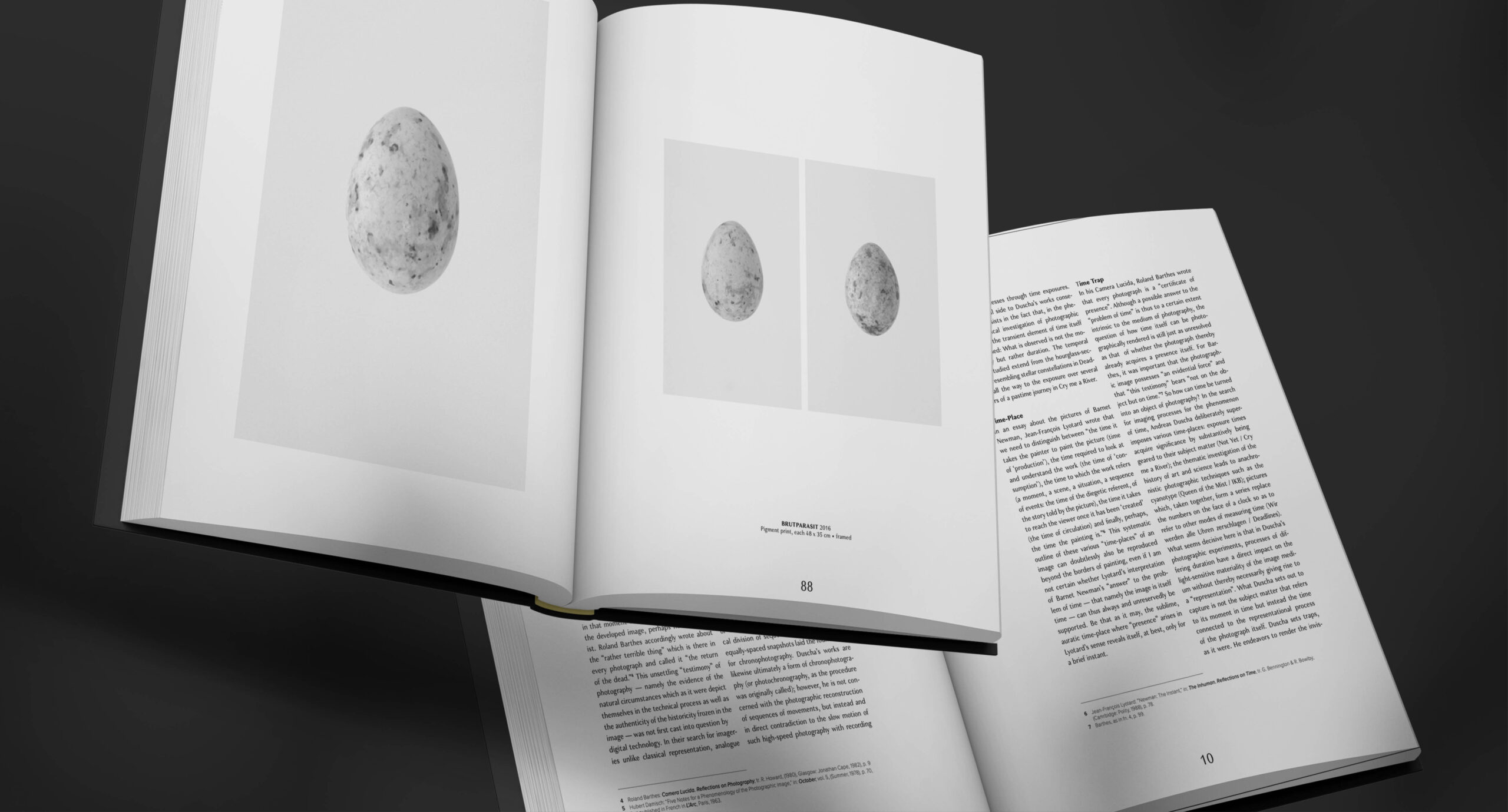
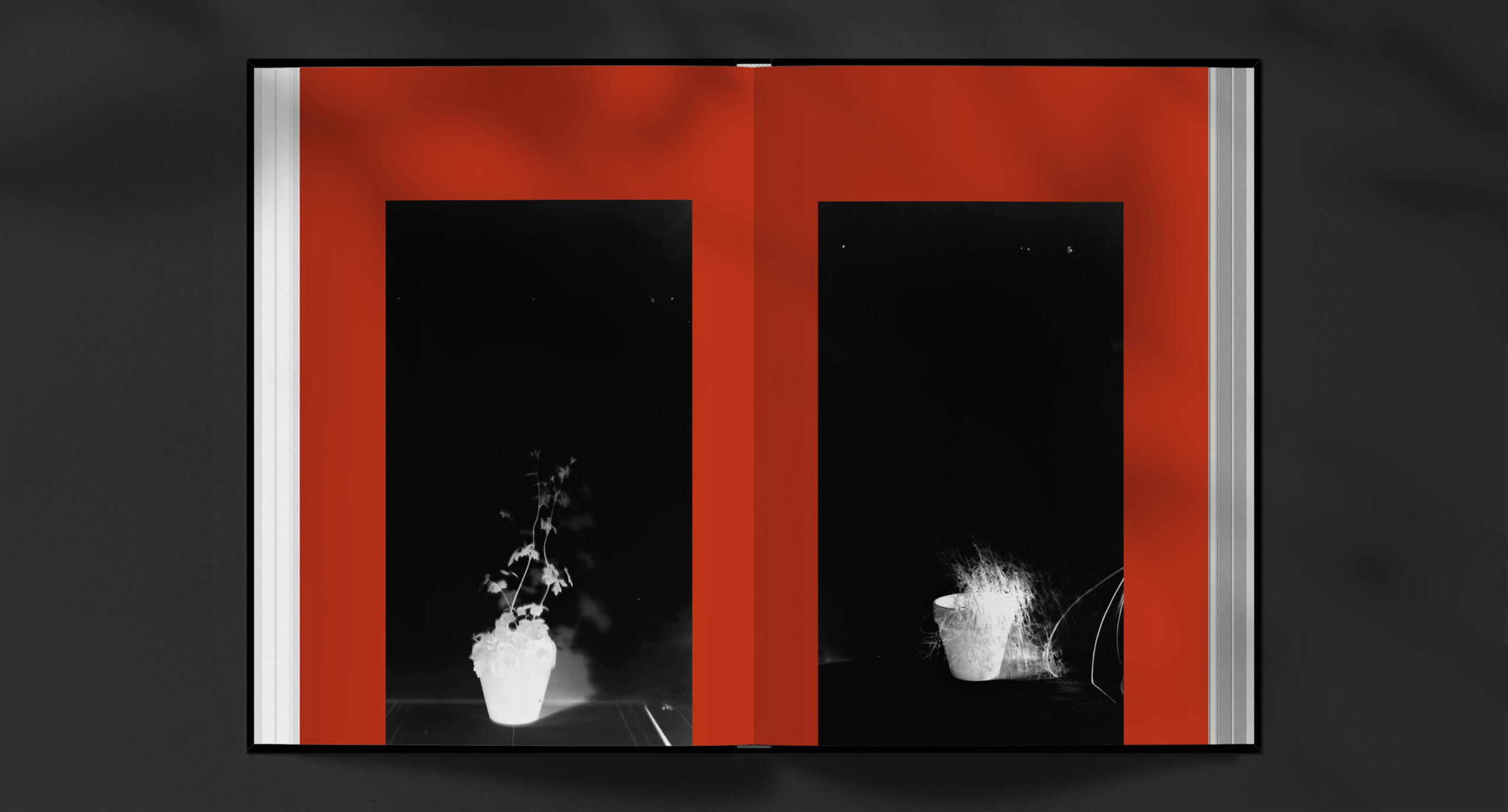
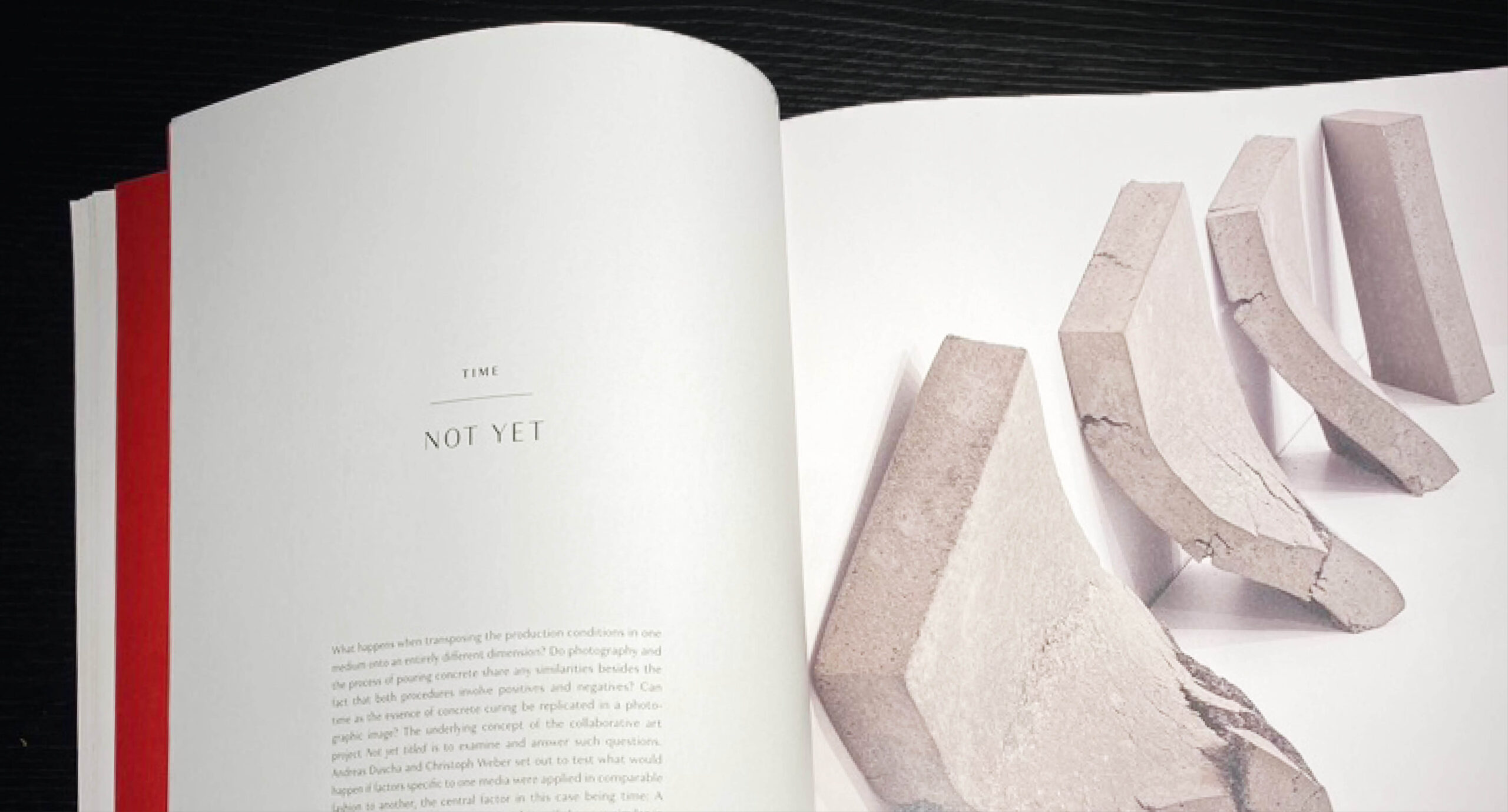
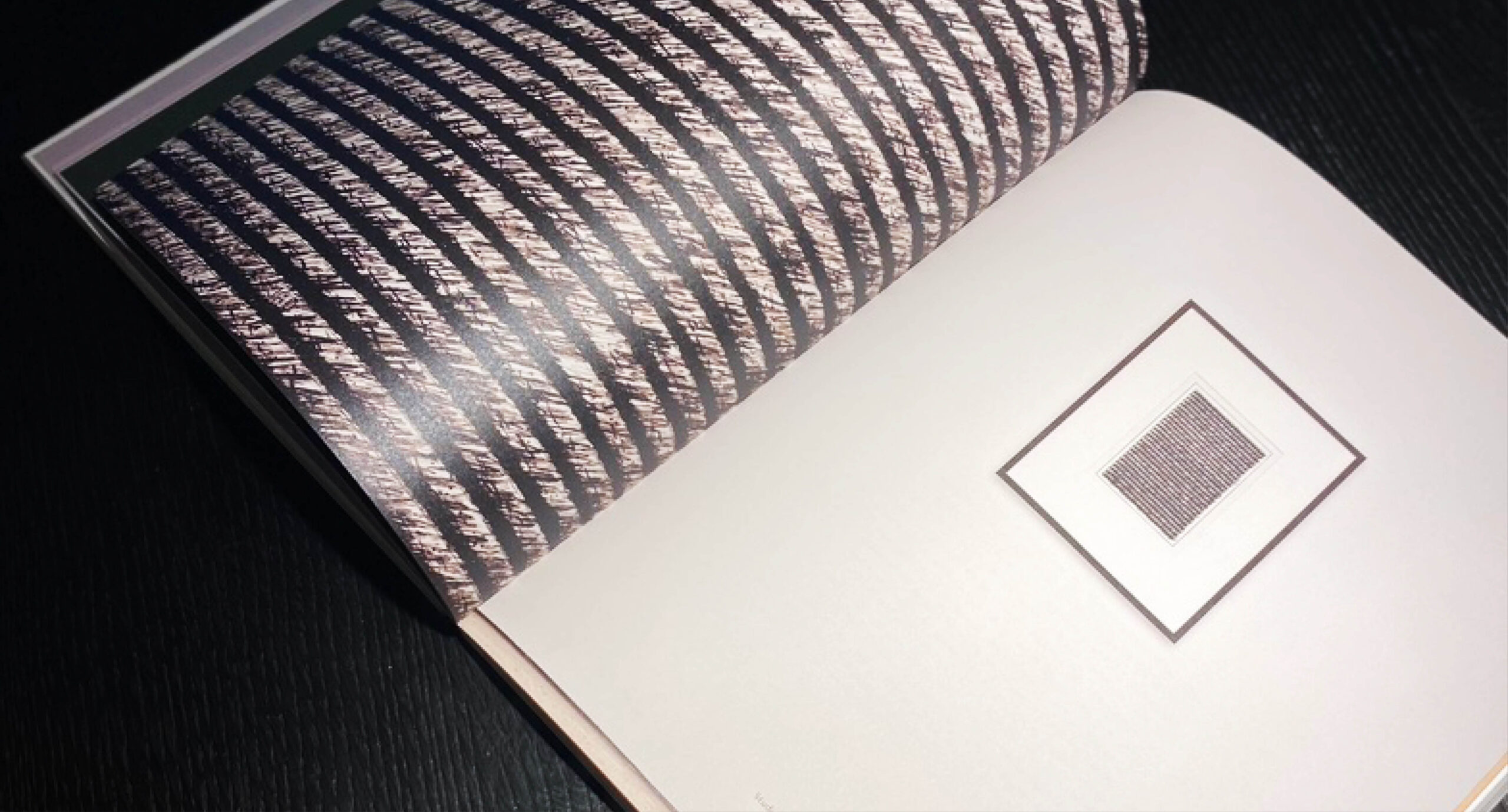
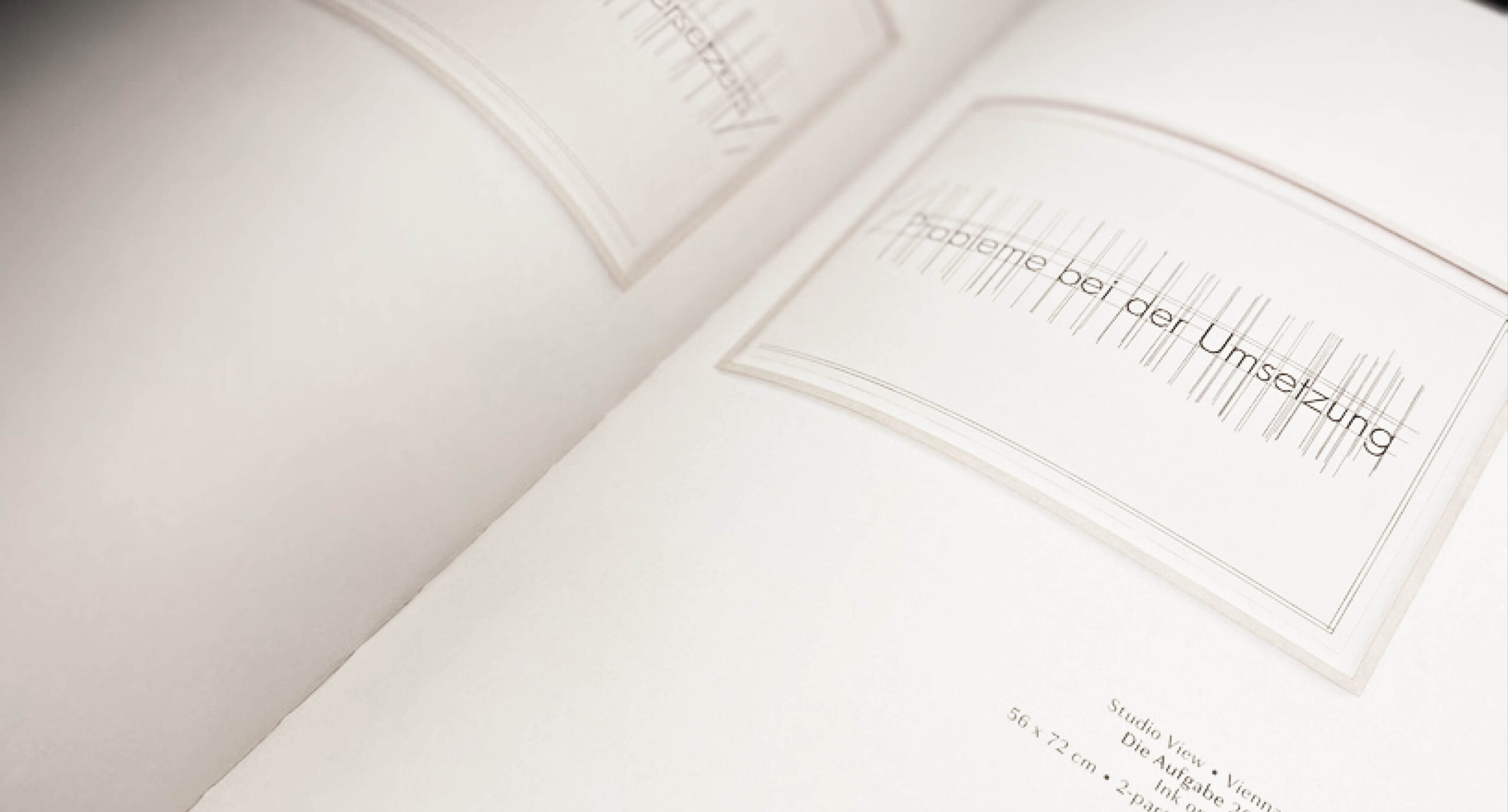
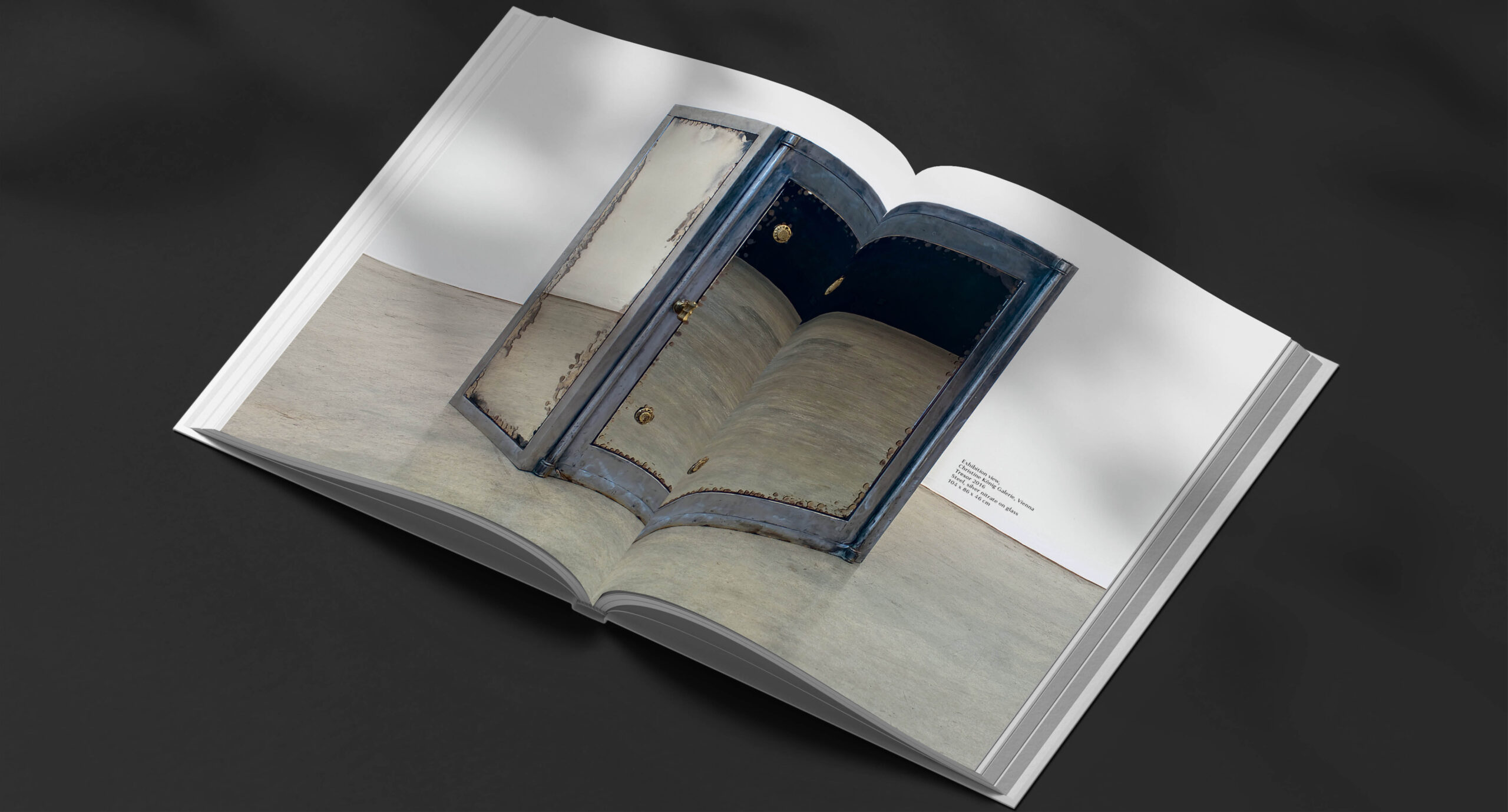
The typographic system was built to carry the same logic. Text and image do not illustrate each other — they coexist under pressure, each maintaining its own register. White space was not absence but active condition: the gap the work requires in order to function. Between sections, that silence shifts register — bold-coloured blank pages mark each threshold, unpunctuated and unannounced. Not chapter titles. Not labels. A change in atmospheric pressure that the reader feels before they understand it.
Paper, weight, and print register were chosen to create a tactility that slows reading — a physical resistance that mirrors the conceptual one.
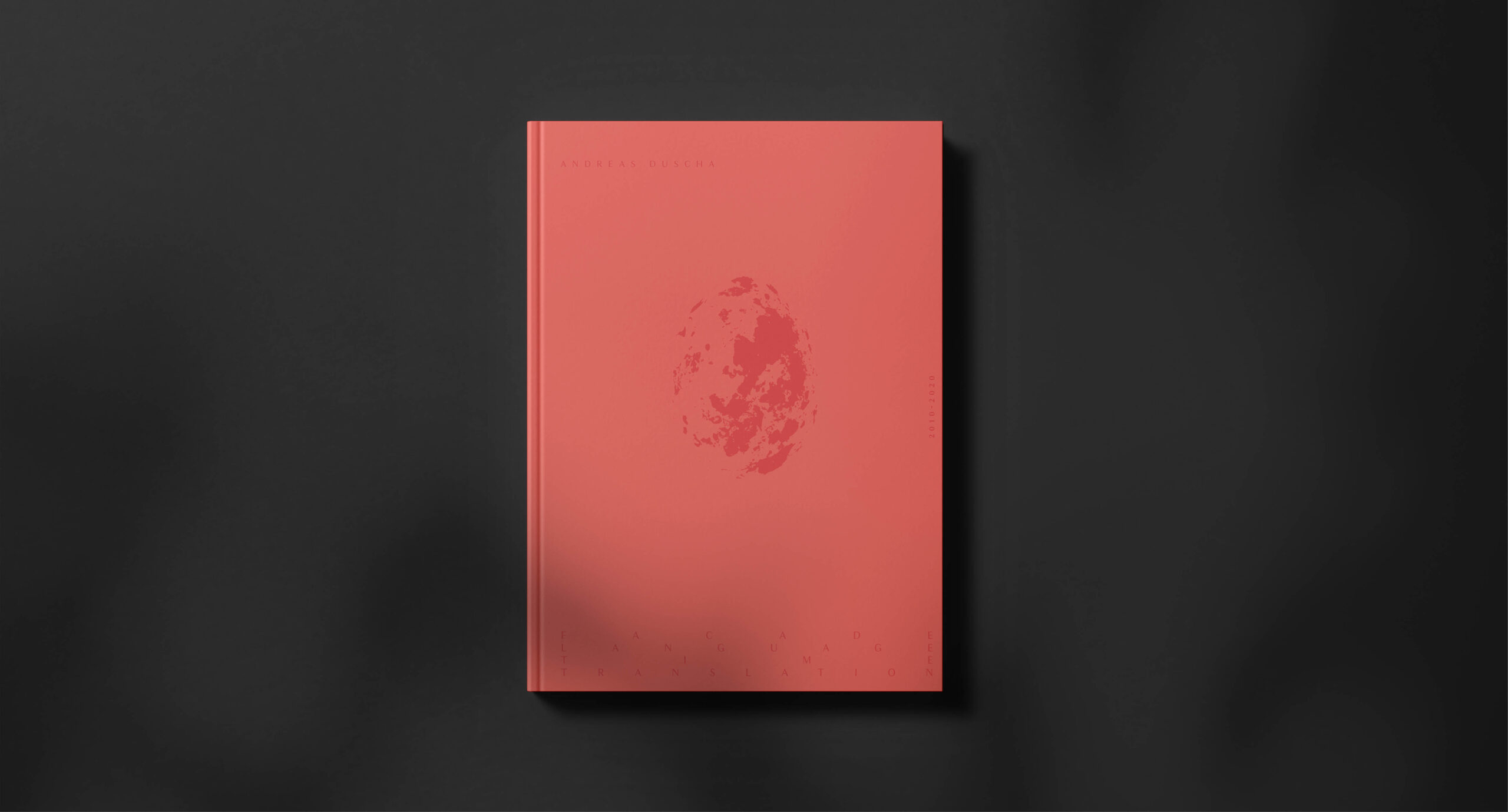
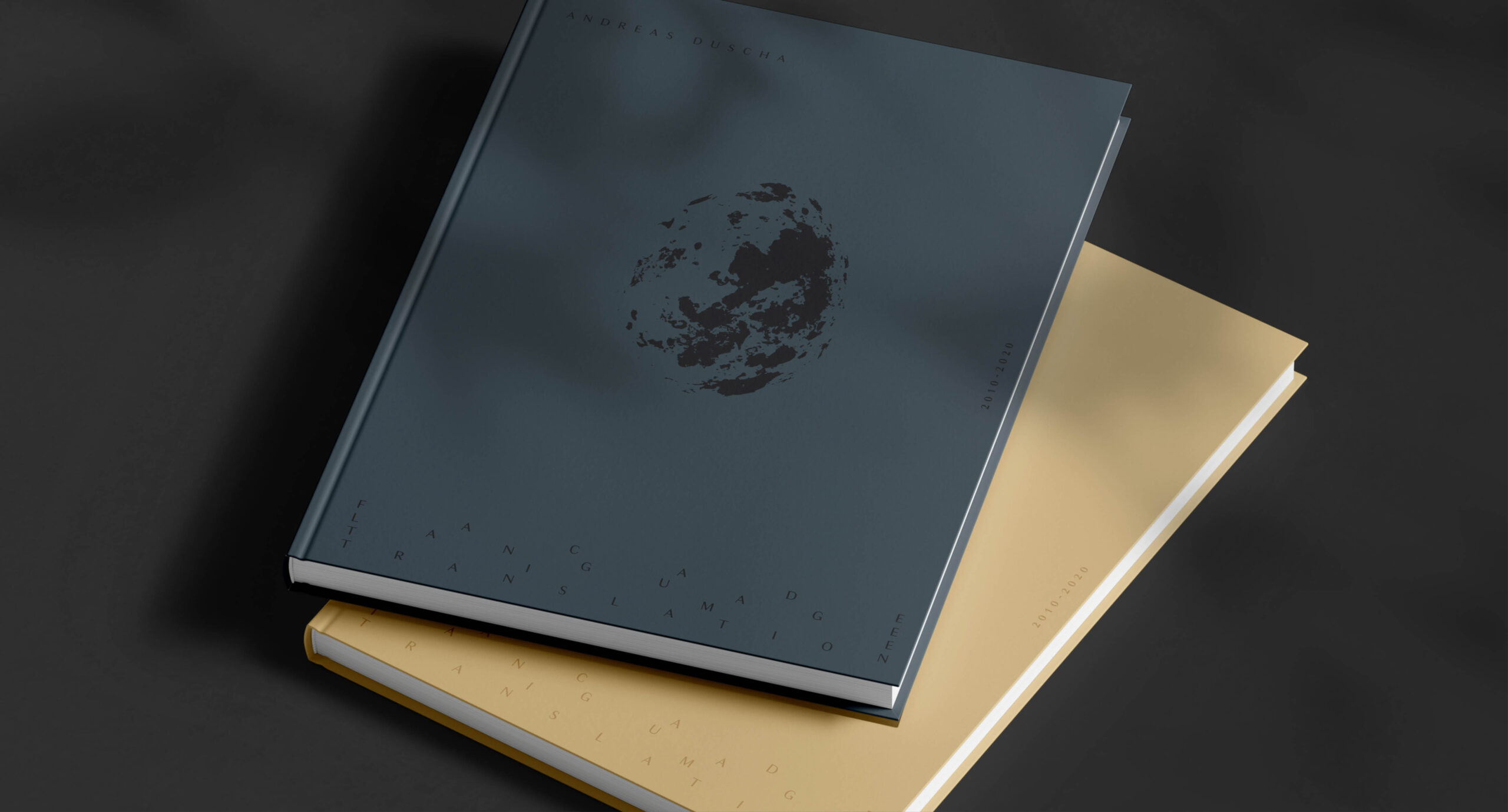
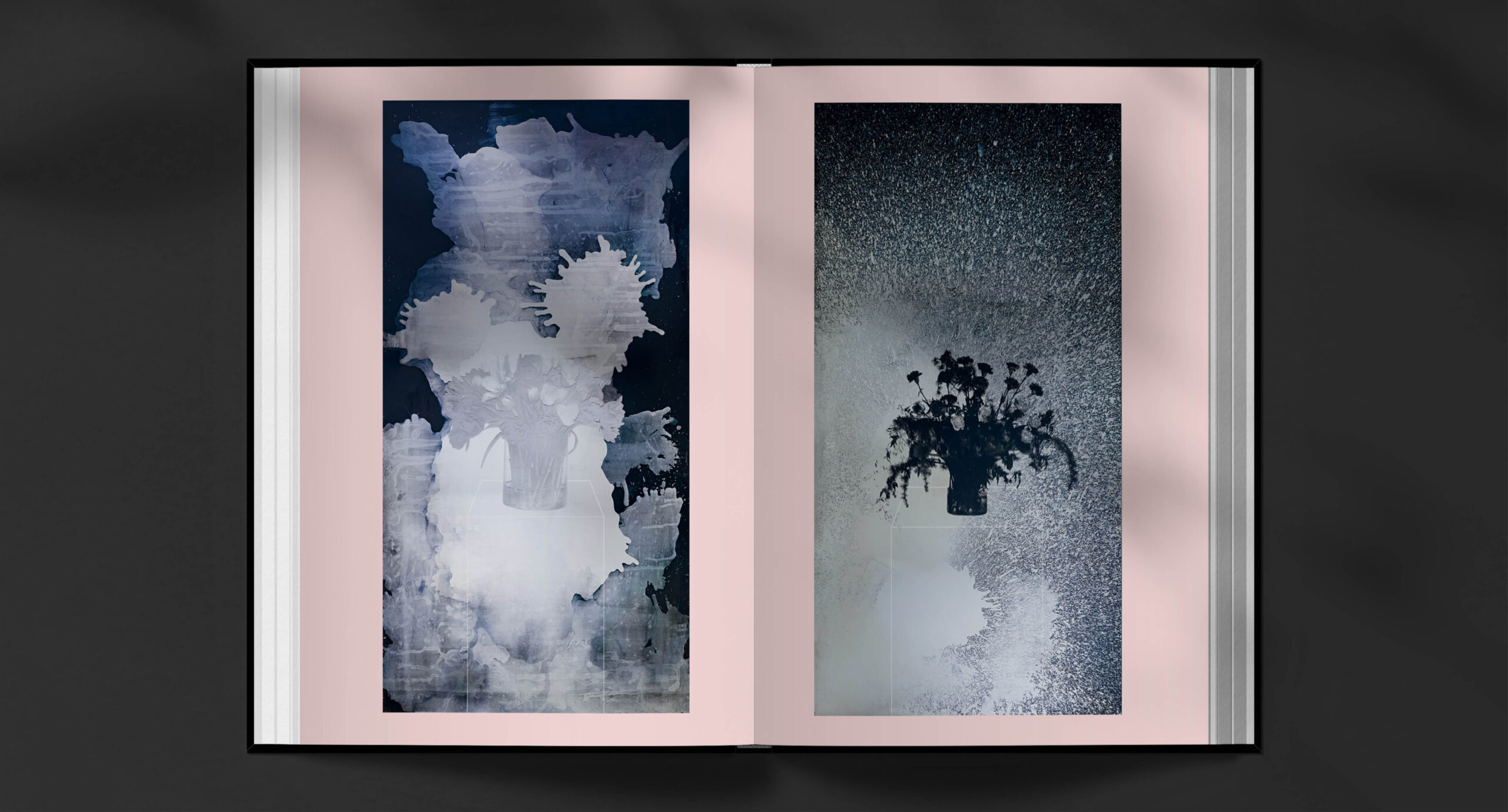
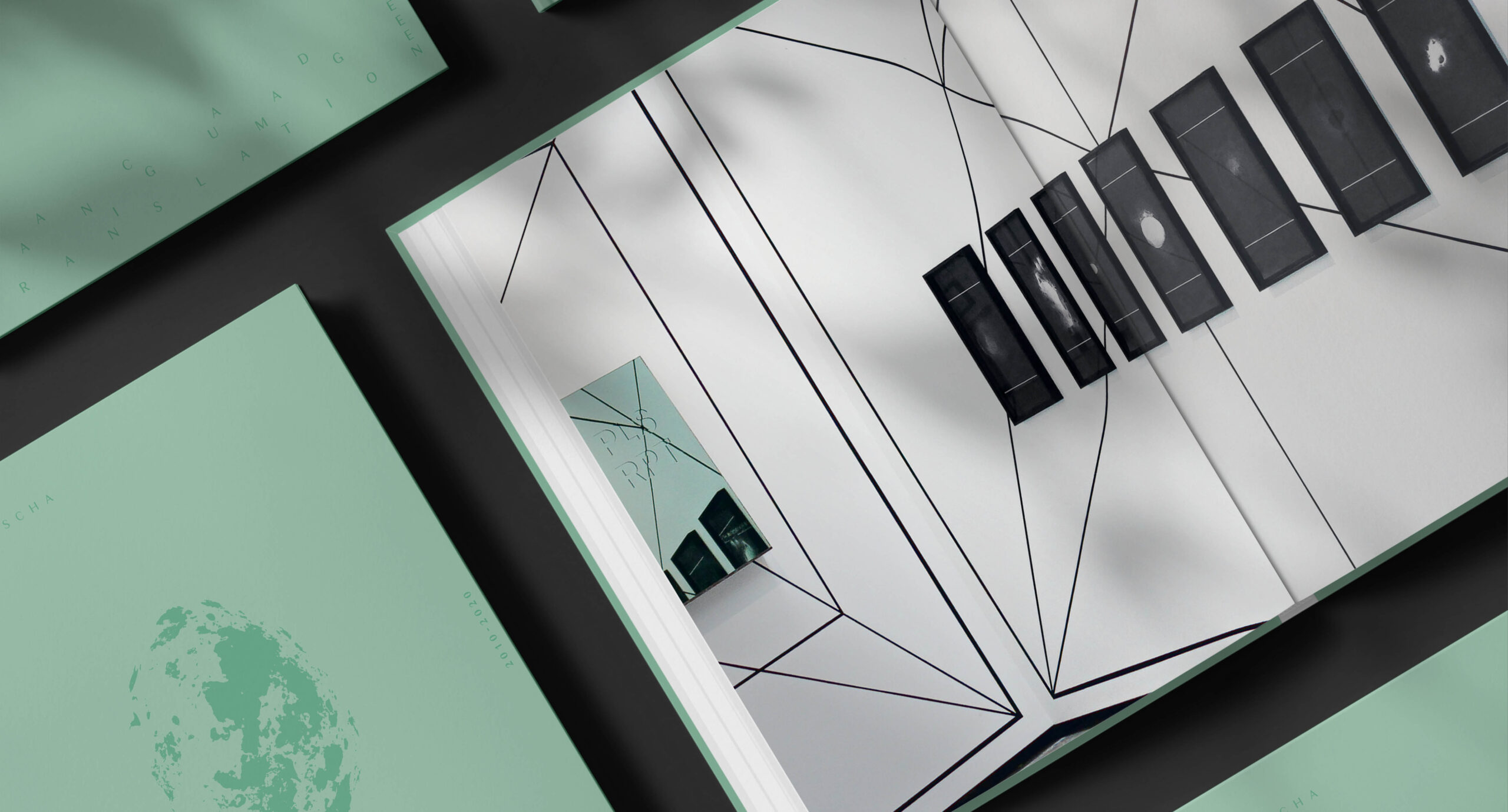
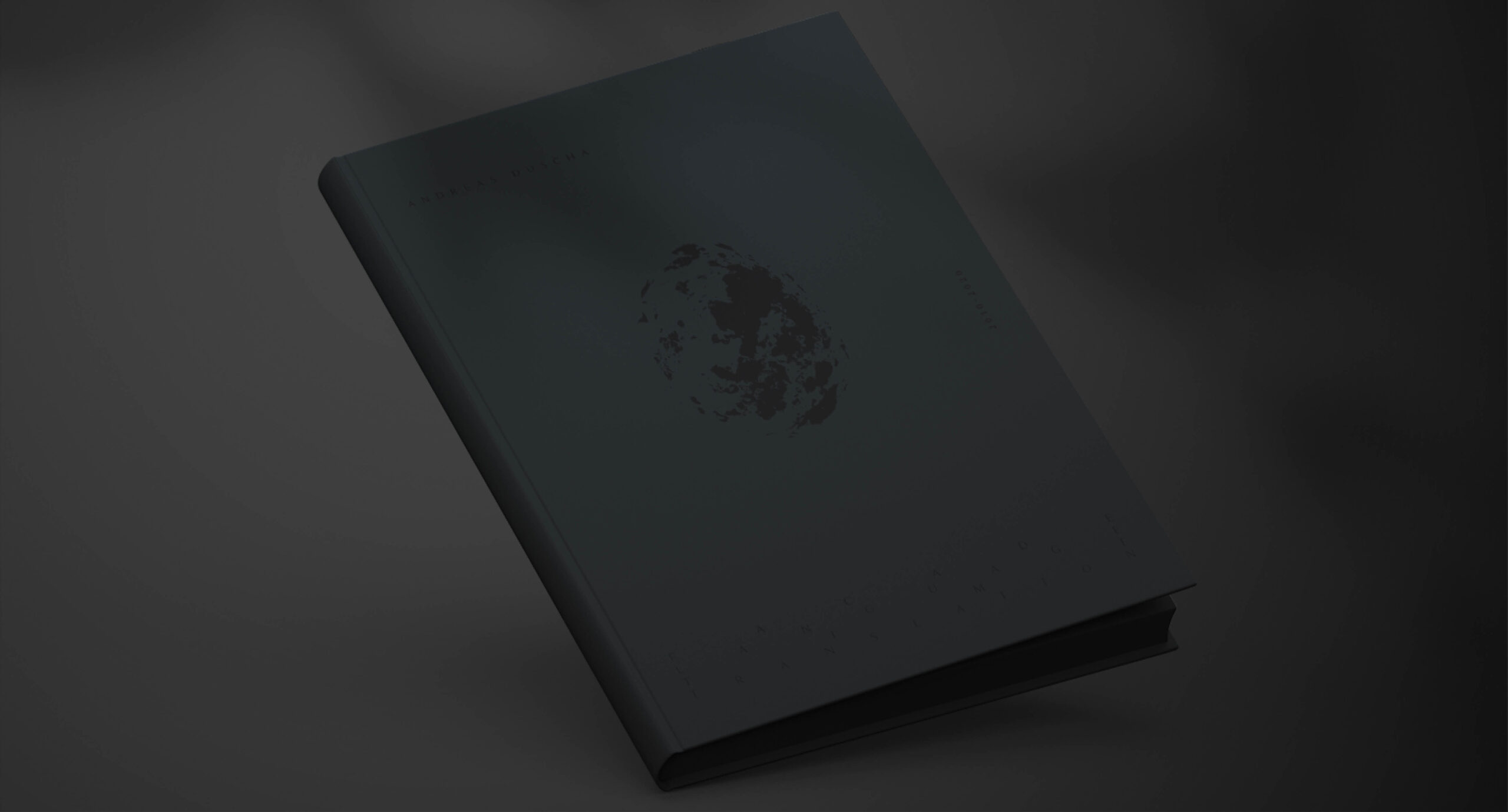
The four-edition colour system gave the book a final structural argument. Each edition — distinguished by its own colour — offers a different entry into the same body of work. The same material, four possible registers. The multiplicity is not decorative. It is a statement about the nature of translation itself: that nothing passes unchanged through the act of becoming something else.
THE WORK
Book and editorial design for the full monograph published by Verlag für moderne Kunst. Concept development, layout architecture, typographic system, image sequencing, and critical text placement across 232 pages. Four-edition colour system. Print production and final artwork. Developed in close dialogue with the artist and publisher throughout.
THE SHIFT
Facade, Language, Time, Translation is held in the collections of international art institutions. More precisely: it is the document through which Duscha’s practice is now read. The book does not explain the work. It performs the same operation — holding appearance and meaning in productive tension, and trusting the reader to inhabit the space between them.
A monograph that argues, rather than archives, is the rarest kind. This is one.