

PKZ – FASHION EMPORIUM
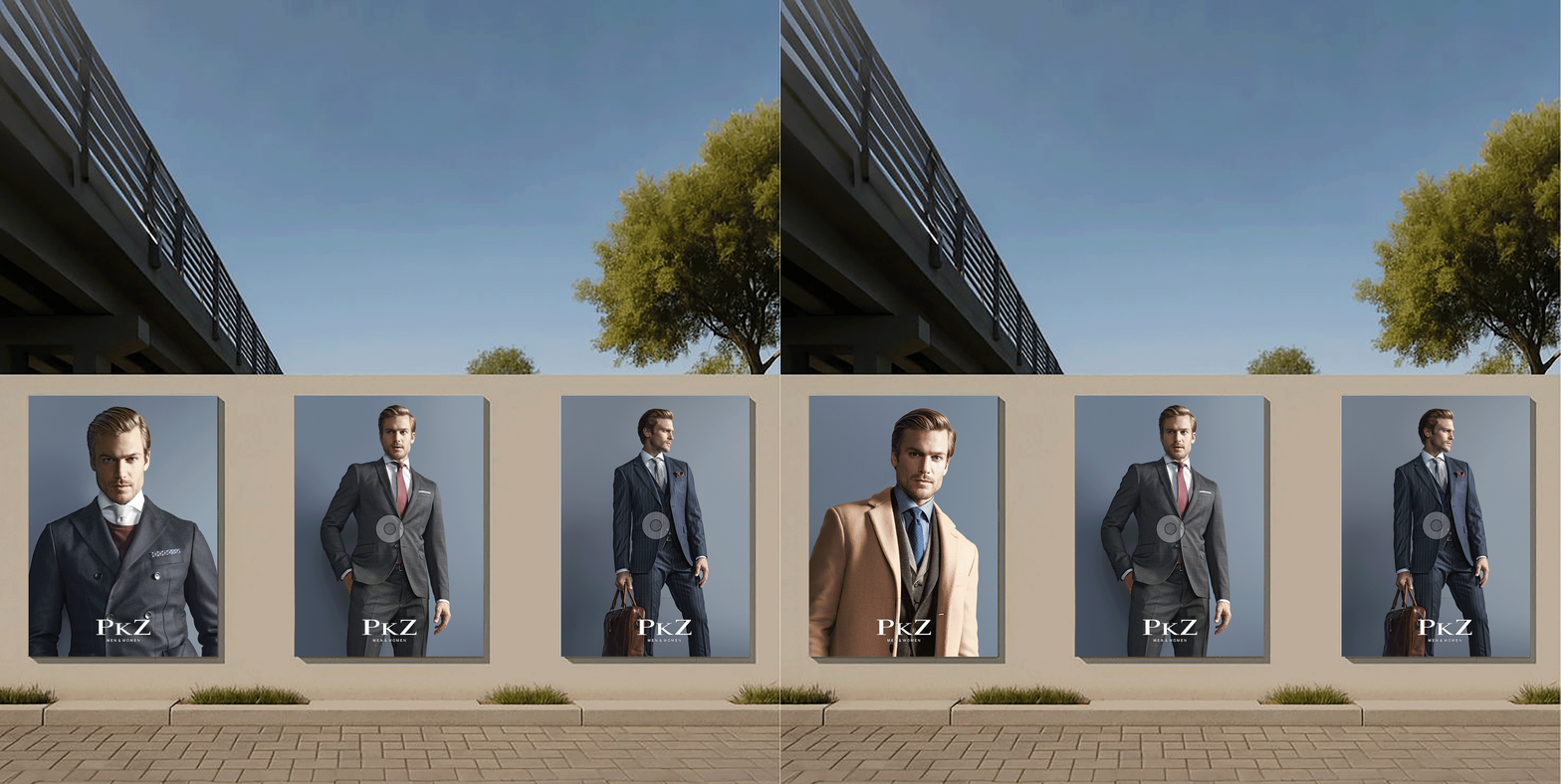
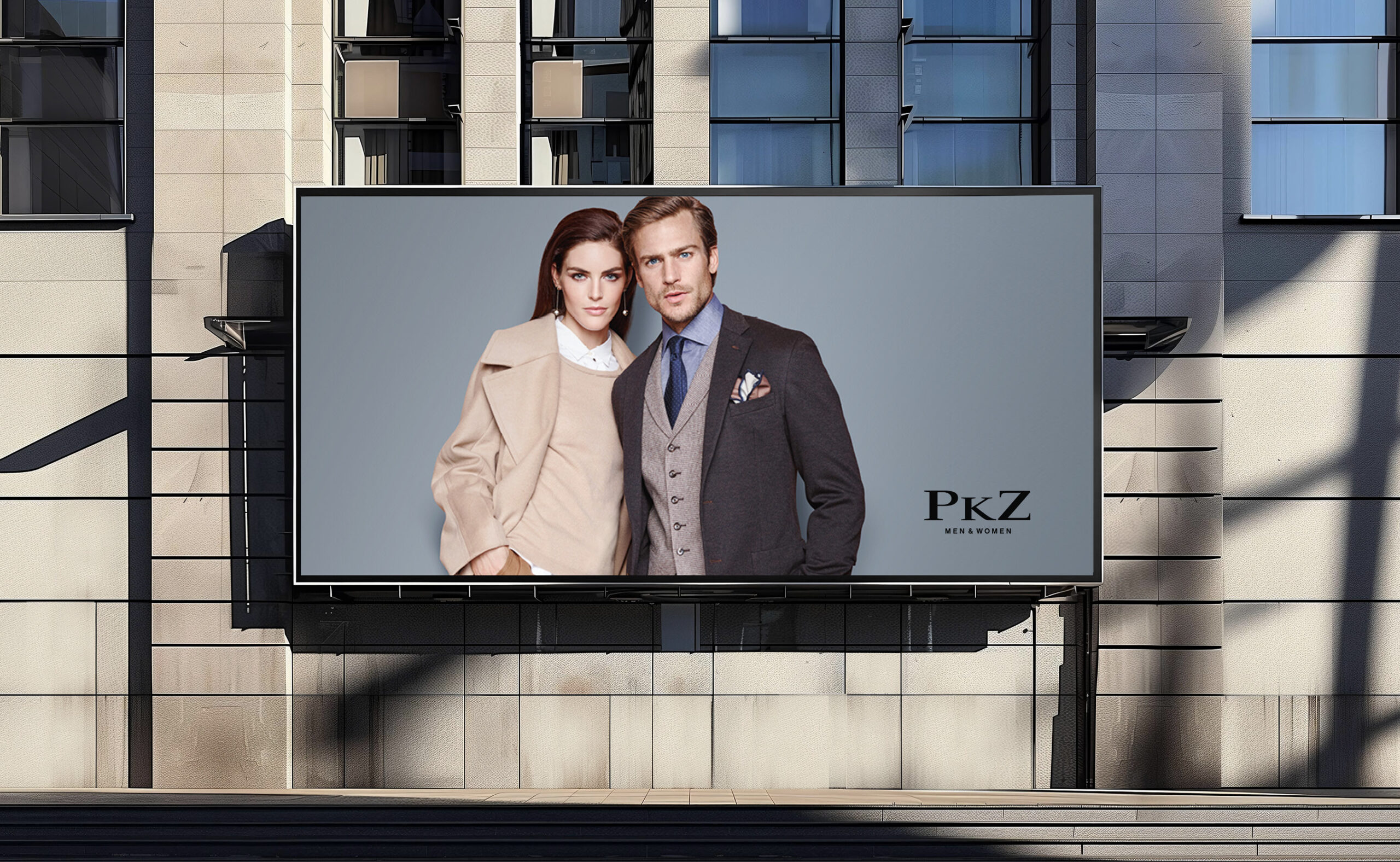
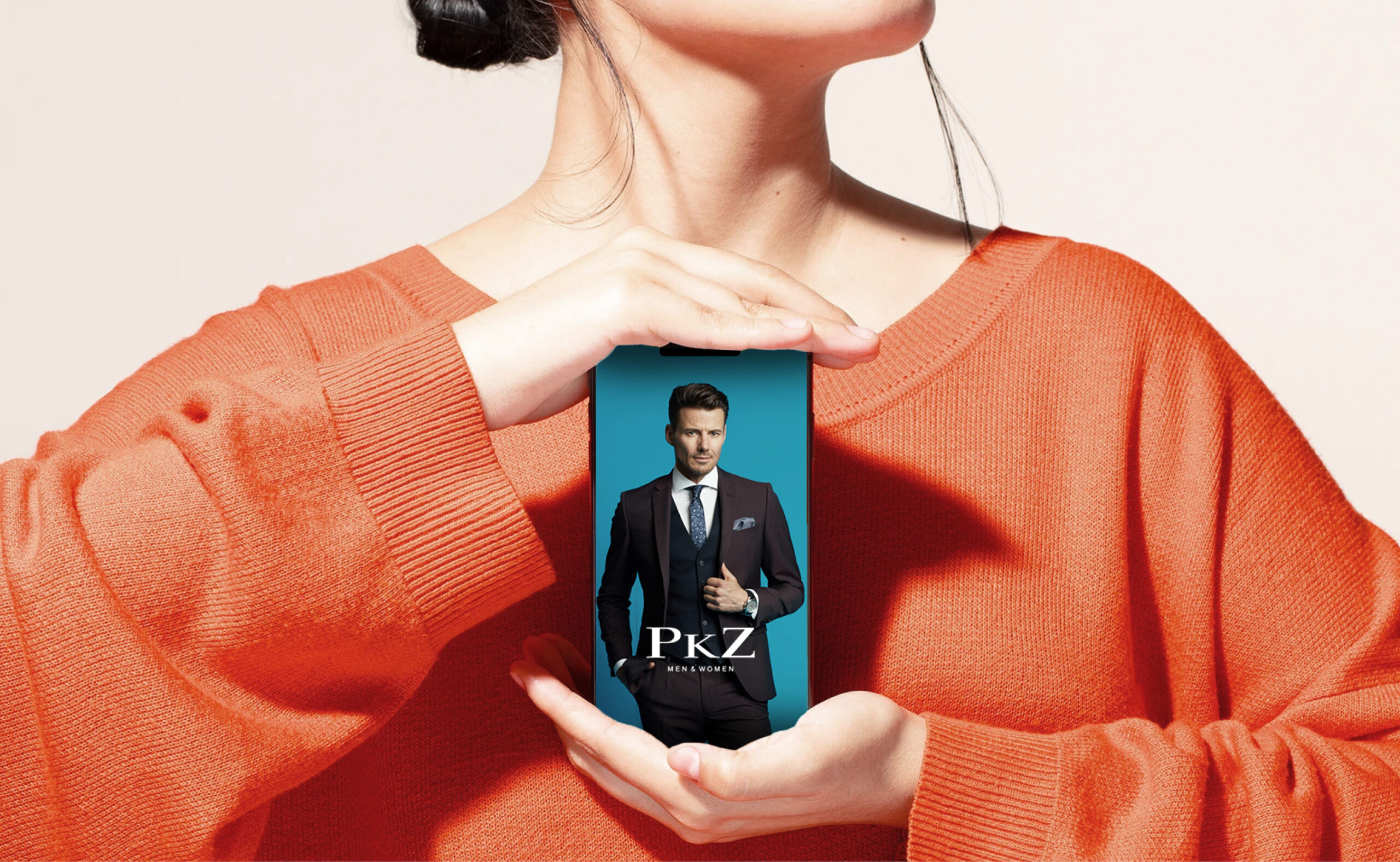
PKZ Burger-Kehl & Co. is Switzerland’s leading fashion retailer — founded in 1881, with over 40 stores nationwide. A house so established it had become, for a generation of Swiss consumers, simply furniture. Familiar. Trusted. And almost entirely invisible as a desire object.Between 2015 and 2020, the work was not to refresh a brand. It was to transform a retail institution into a premium fashion destination — without erasing the authority that five generations had built. That is a different problem than a rebrand. It requires a different kind of thinking.
Art direction, creative direction, campaign development & brand transformation. PKZ Burger-Kehl & Co. — Switzerland, 2015–2020.
The Situation
Heritage is a luxury brand’s most valuable asset — and its most reliable trap.
PKZ had been dressing Swiss men and women since 1881. That history had built something genuinely rare: institutional trust. But institutional trust, without desirability, produces a brand that customers respect and do not covet.
They shop there because they always have. They do not think about it.
In fashion, not being thought about is the beginning of the end. The challenge was precise: to move PKZ from reliable to remarkable. From a retailer people returned to out of habit, to a brand they chose with conviction. Without fracturing the loyalty of a customer base built over generations.
The Reading
PKZ carried more visual authority than it was using.
The product assortment — spanning PKZ Men, PKZ Women, and a curated multi-brand offer — was already operating at a premium level. The stores were well-located and competently presented. But the brand’s visual language was communicating below its own product level.
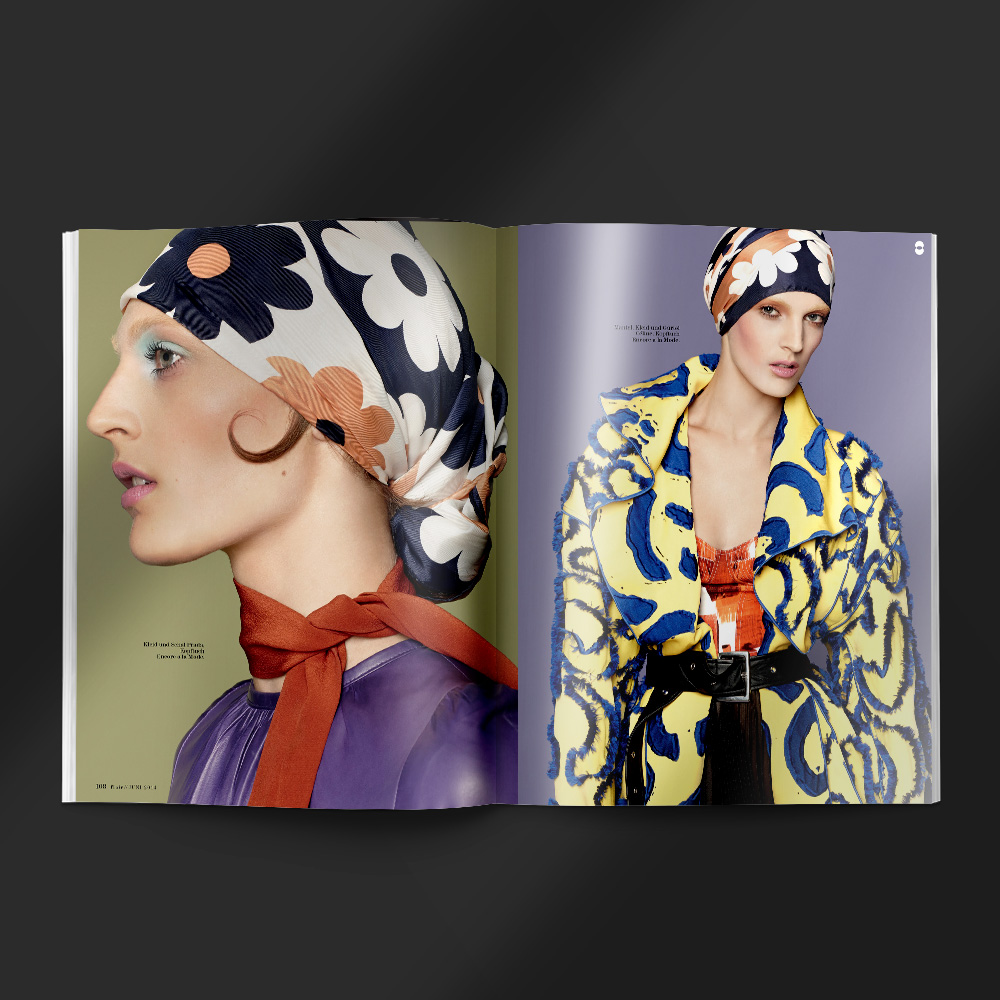
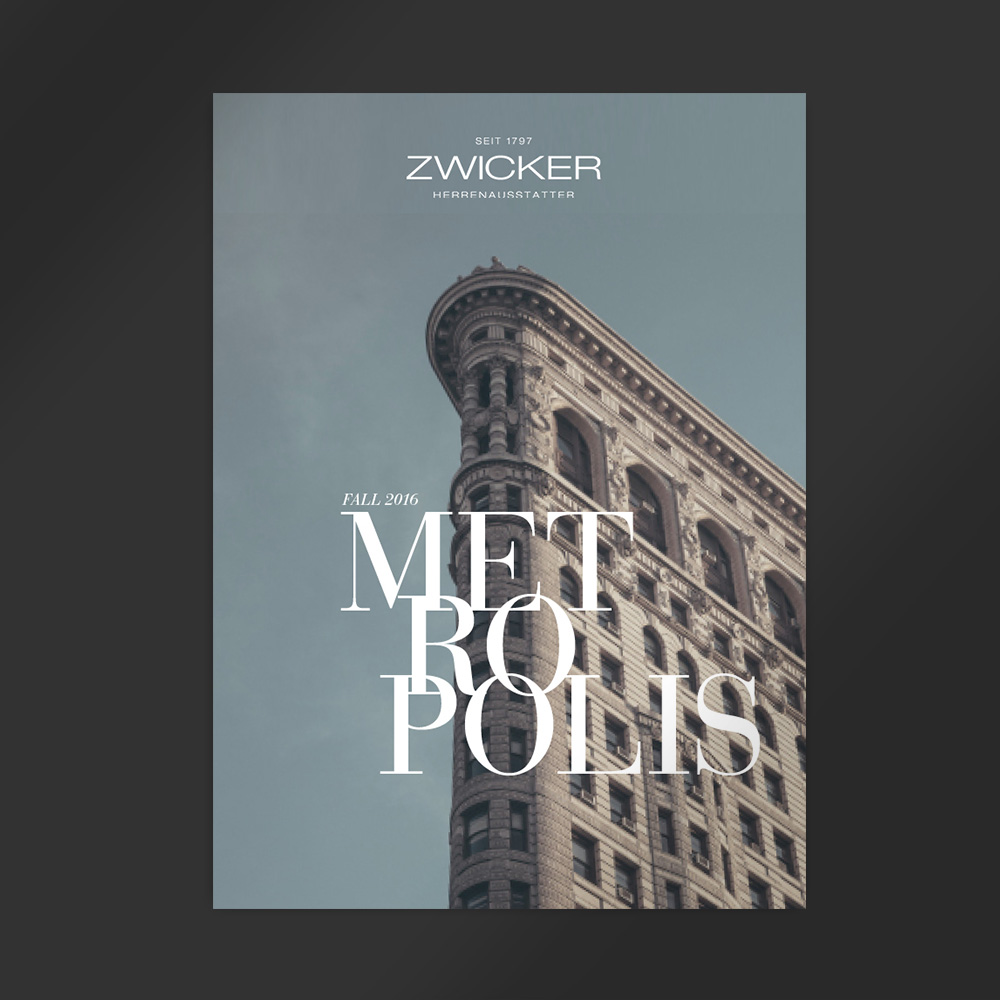
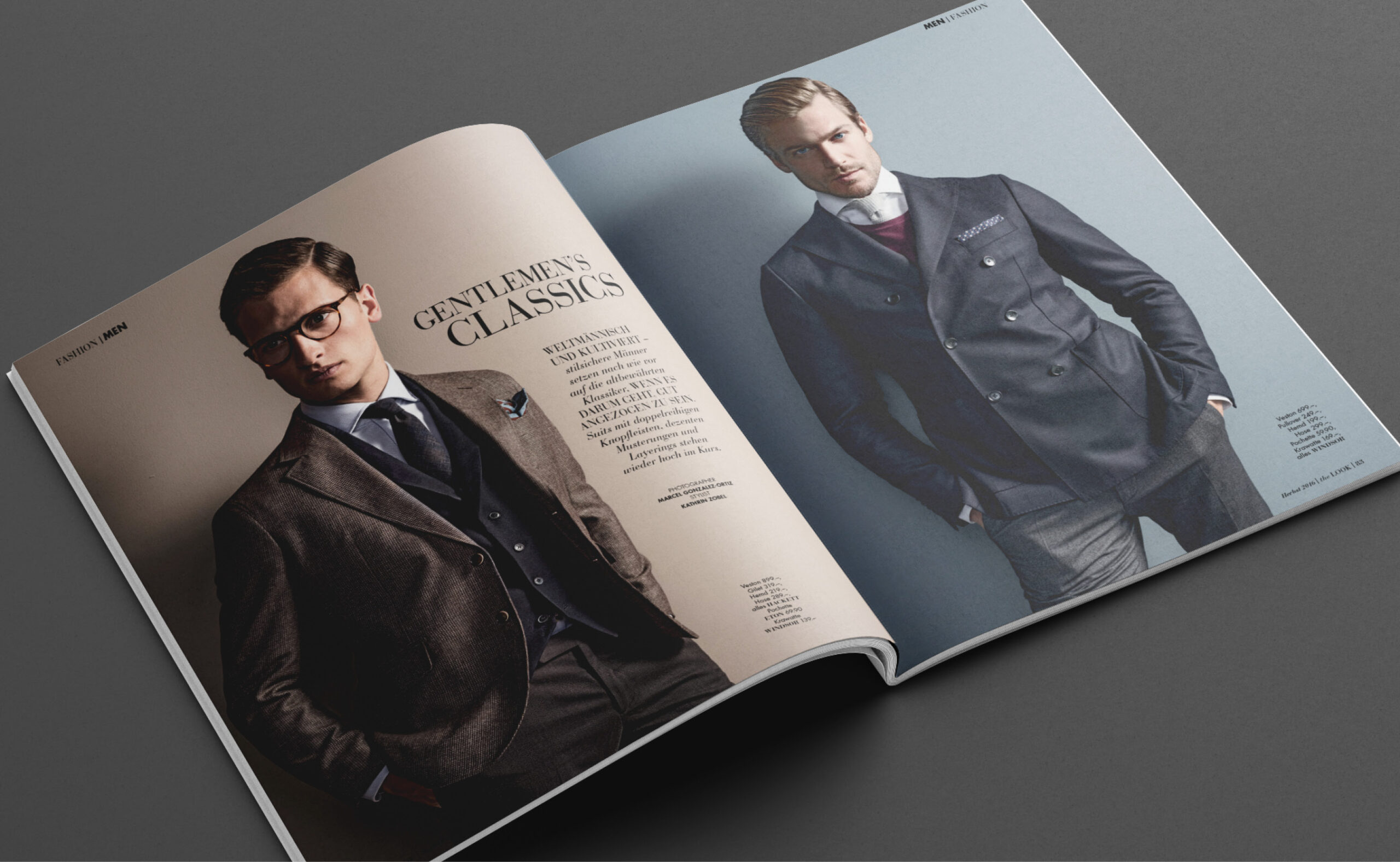
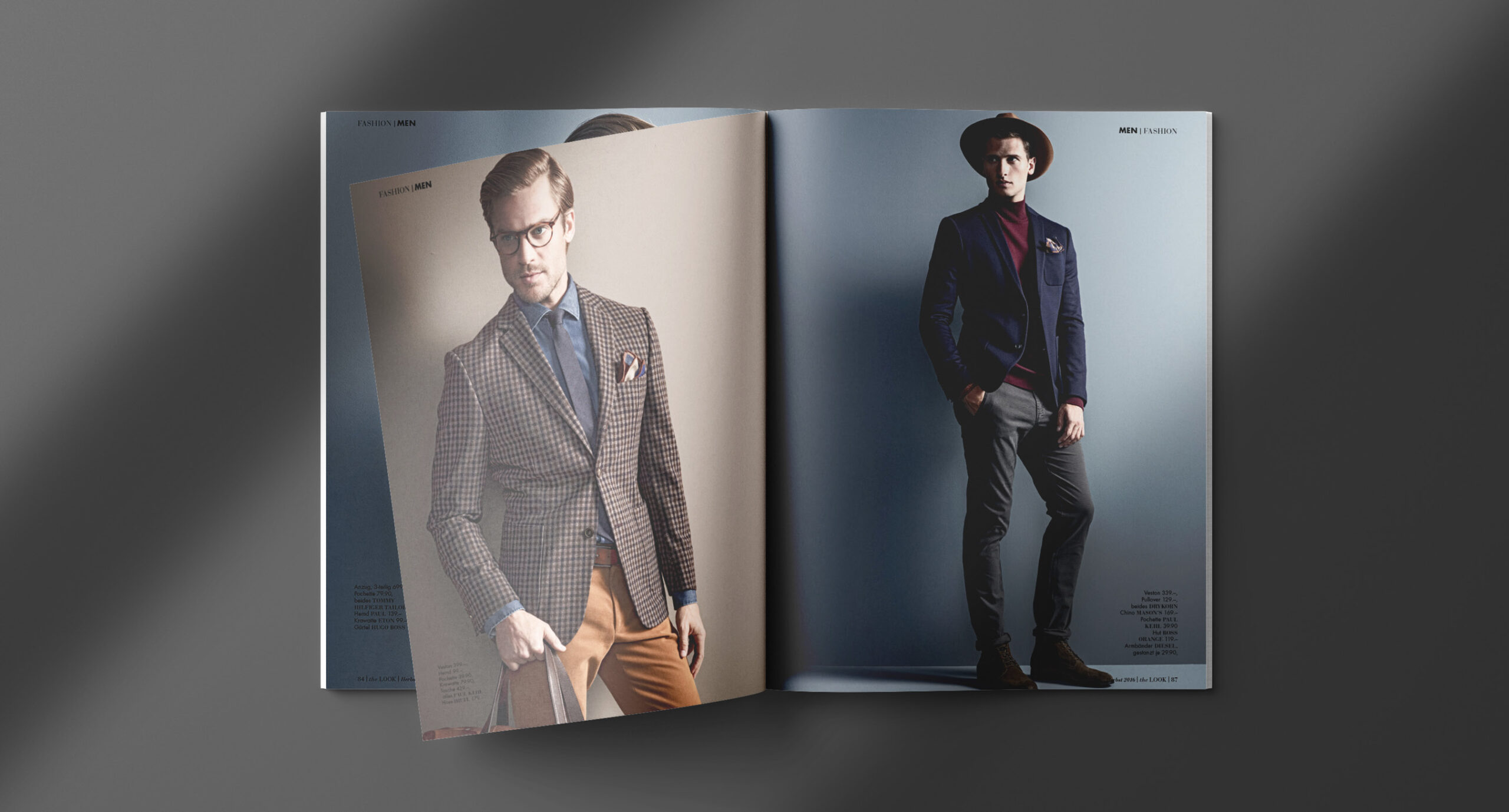
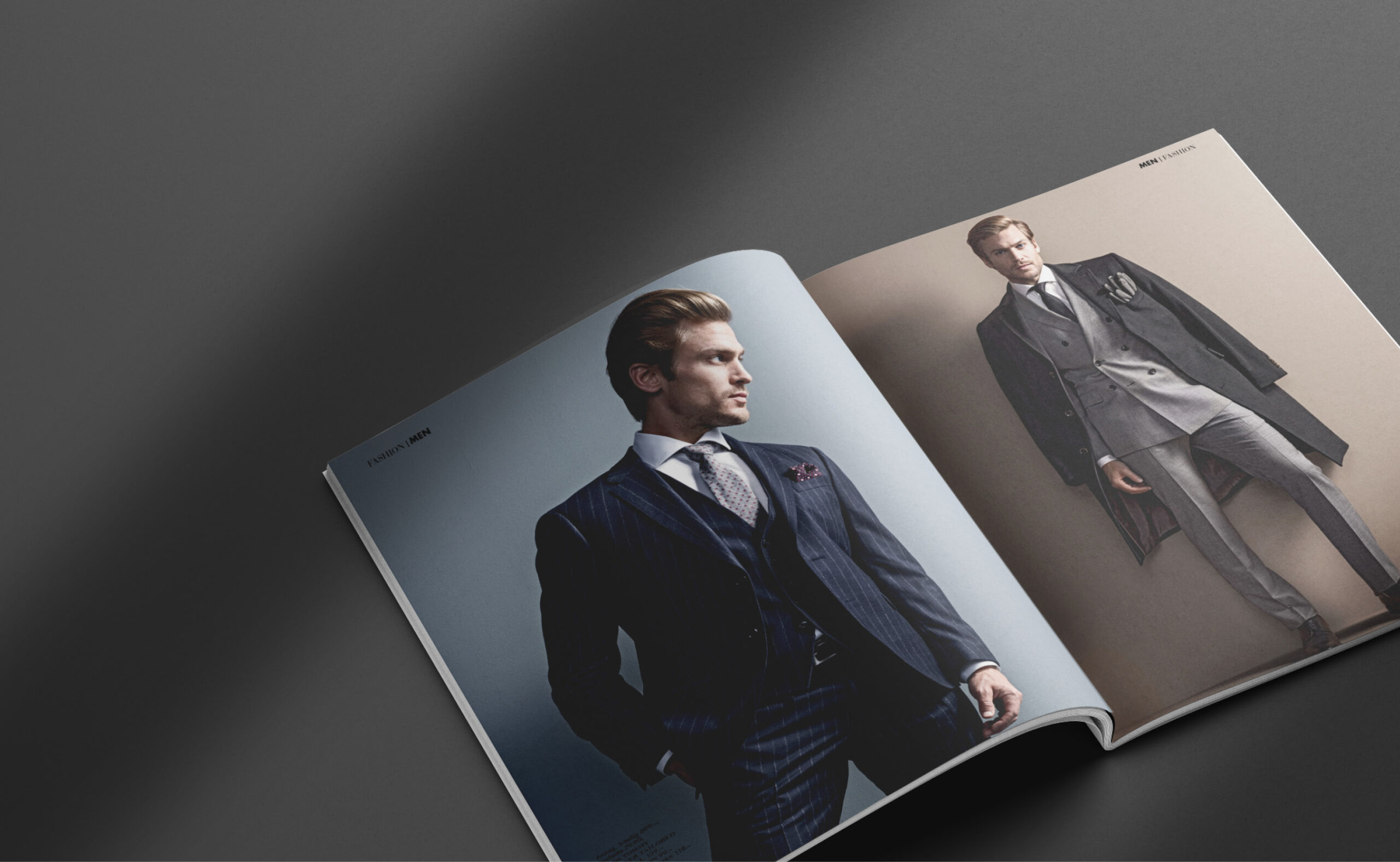
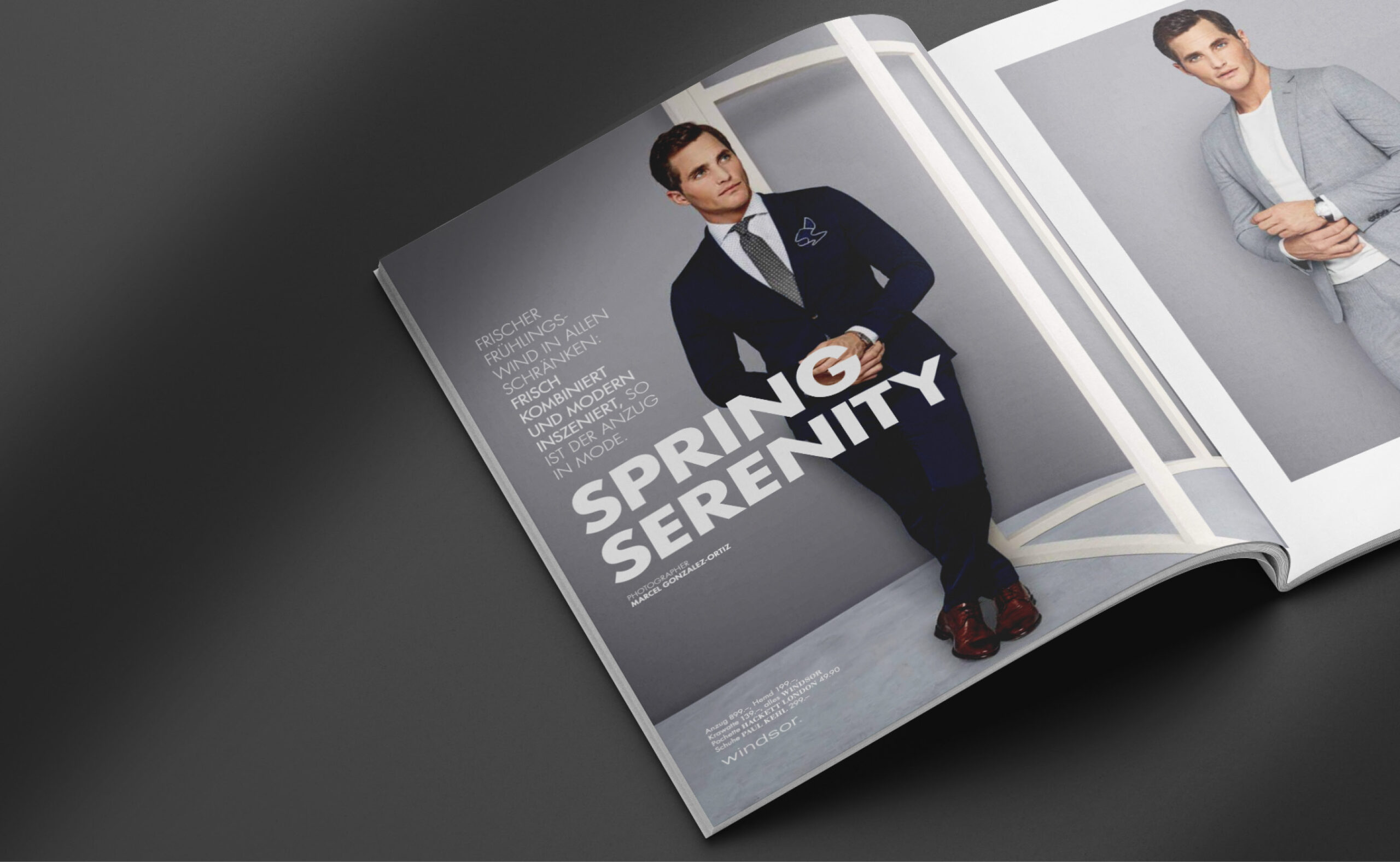
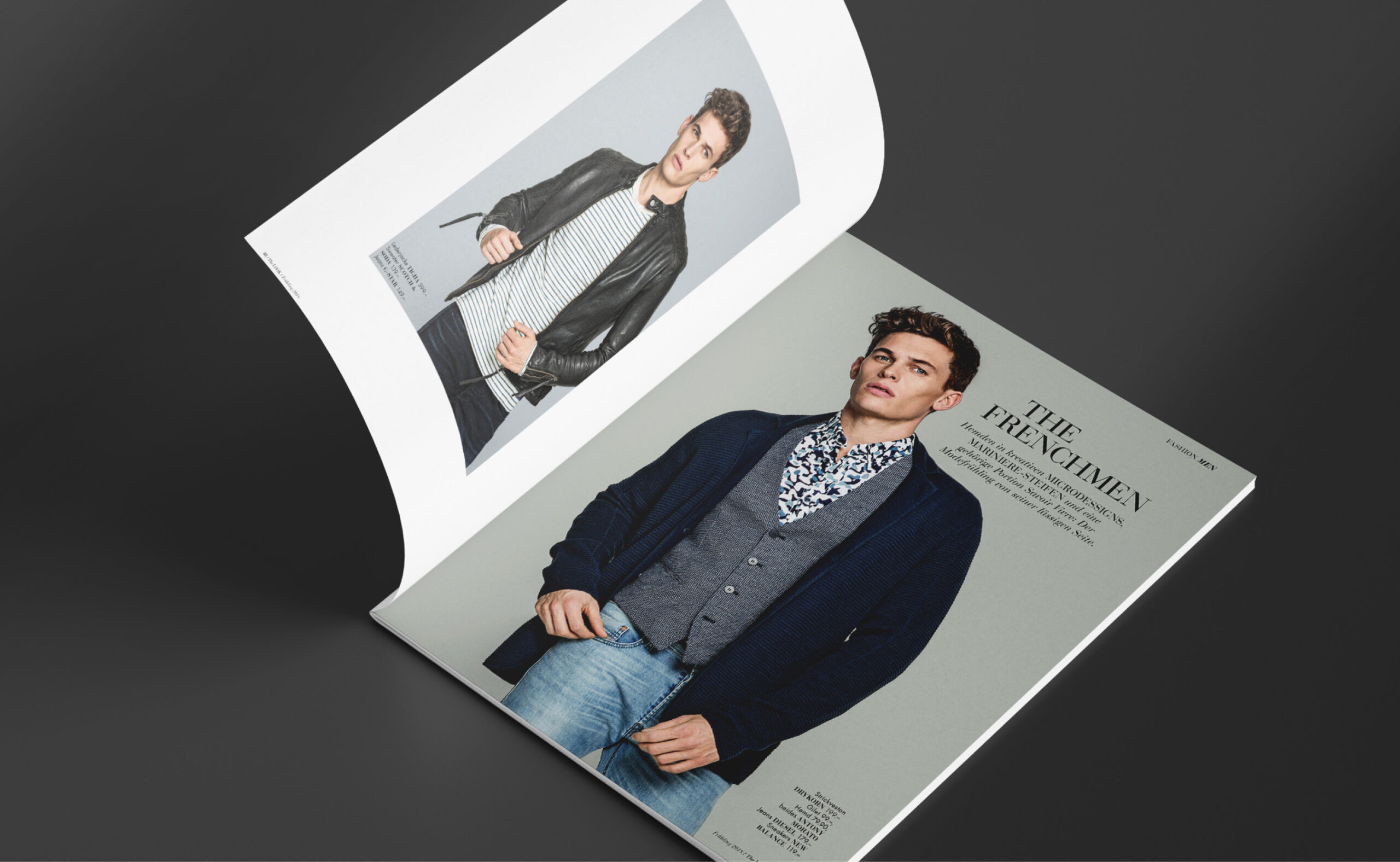
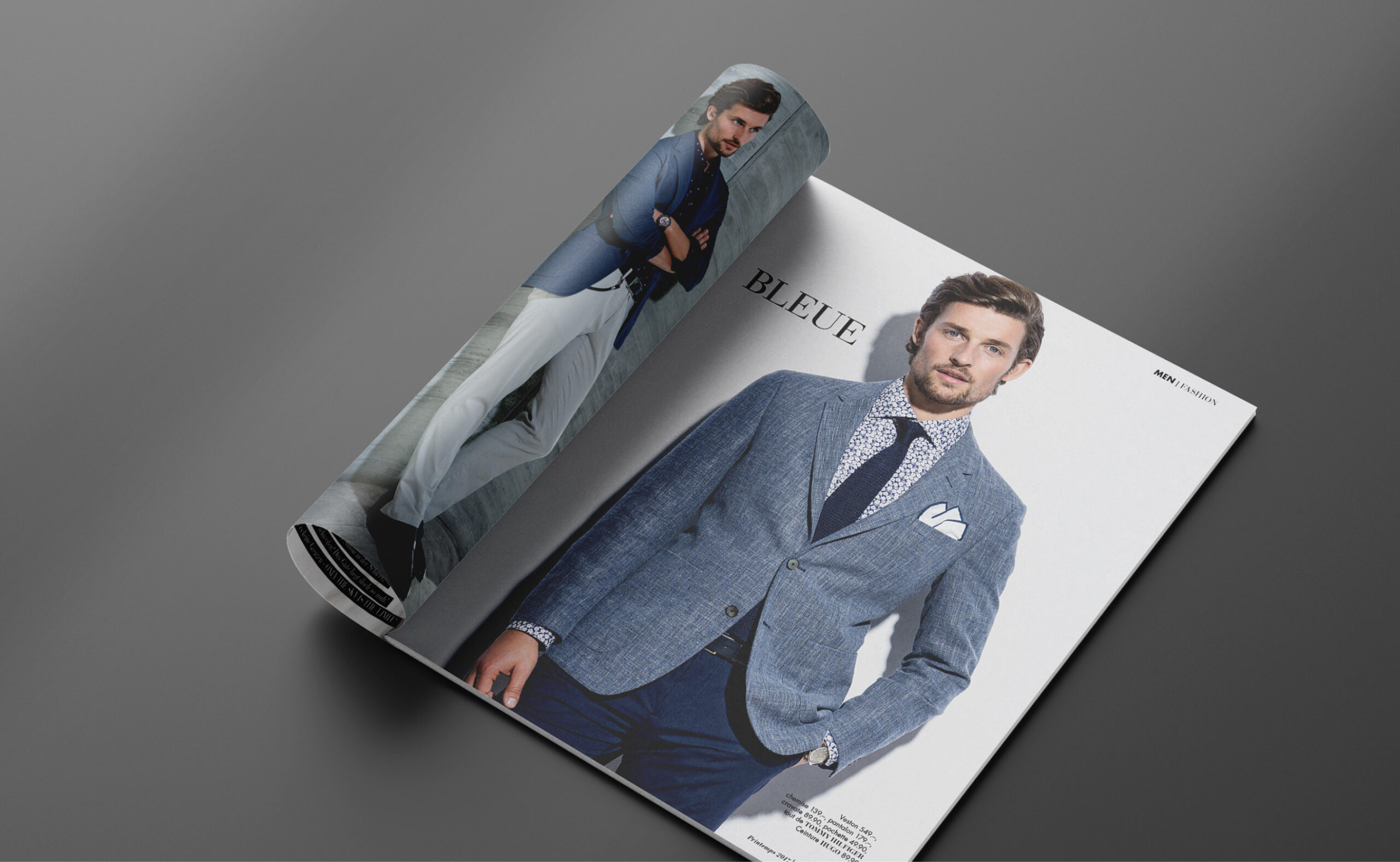
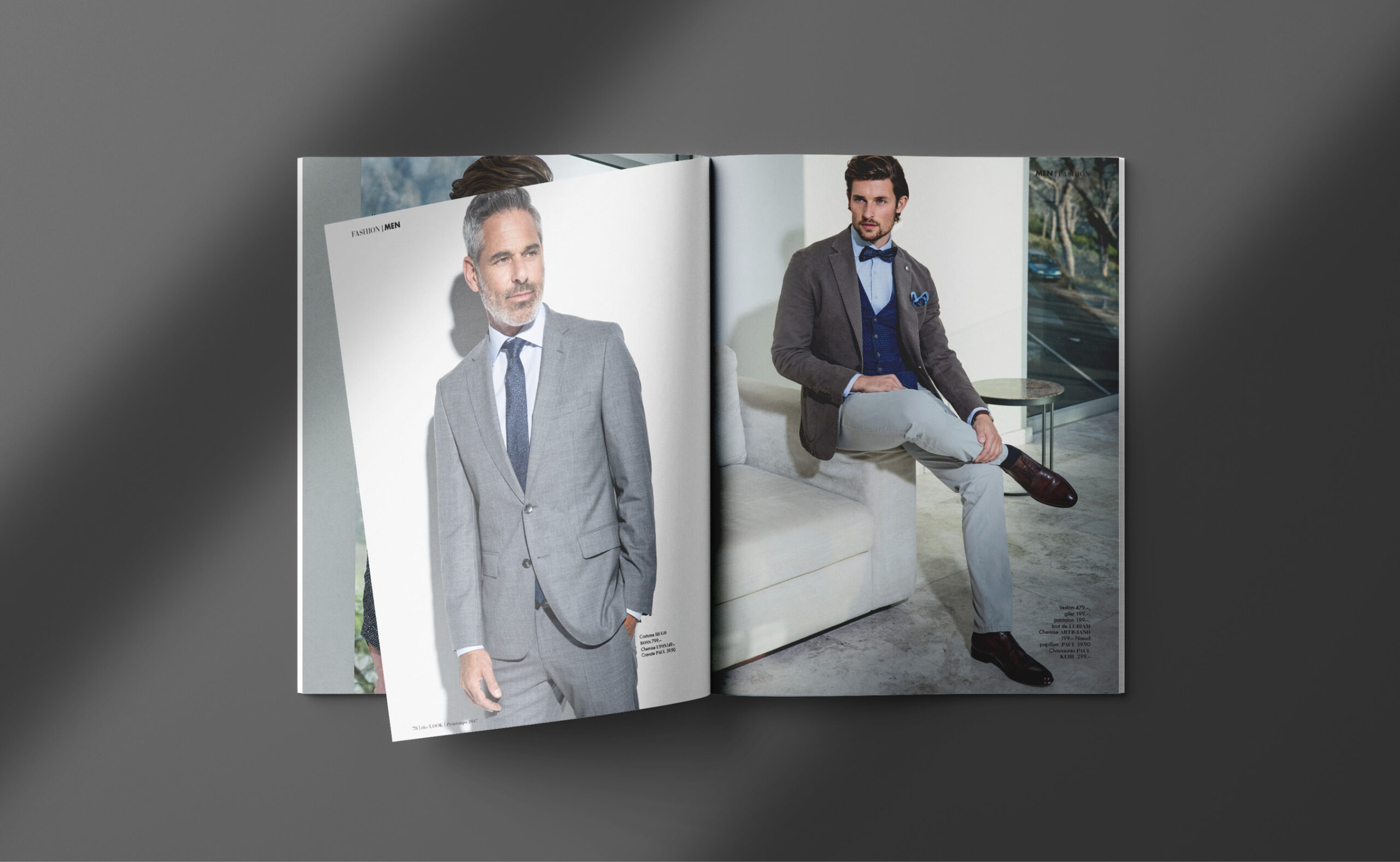
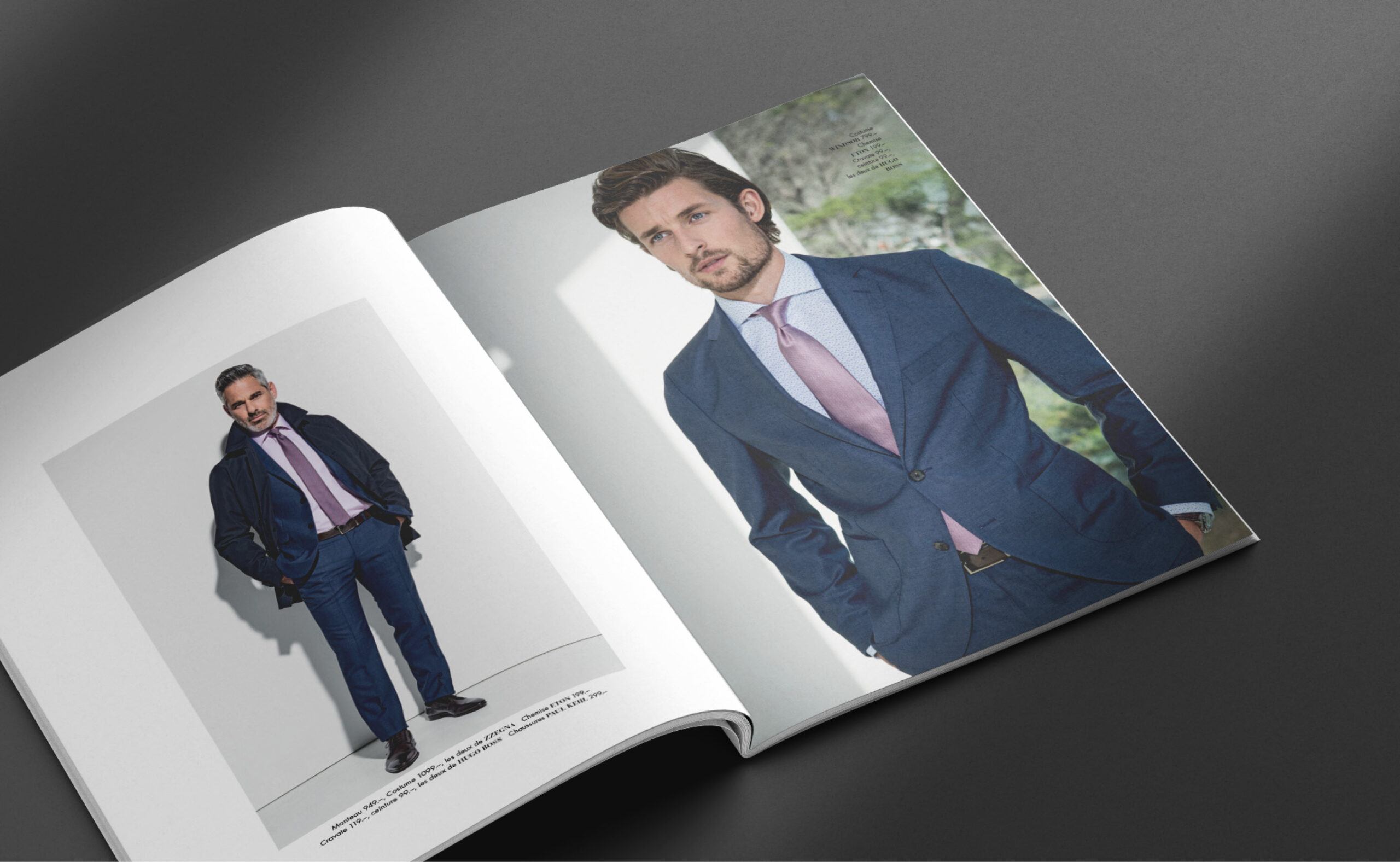
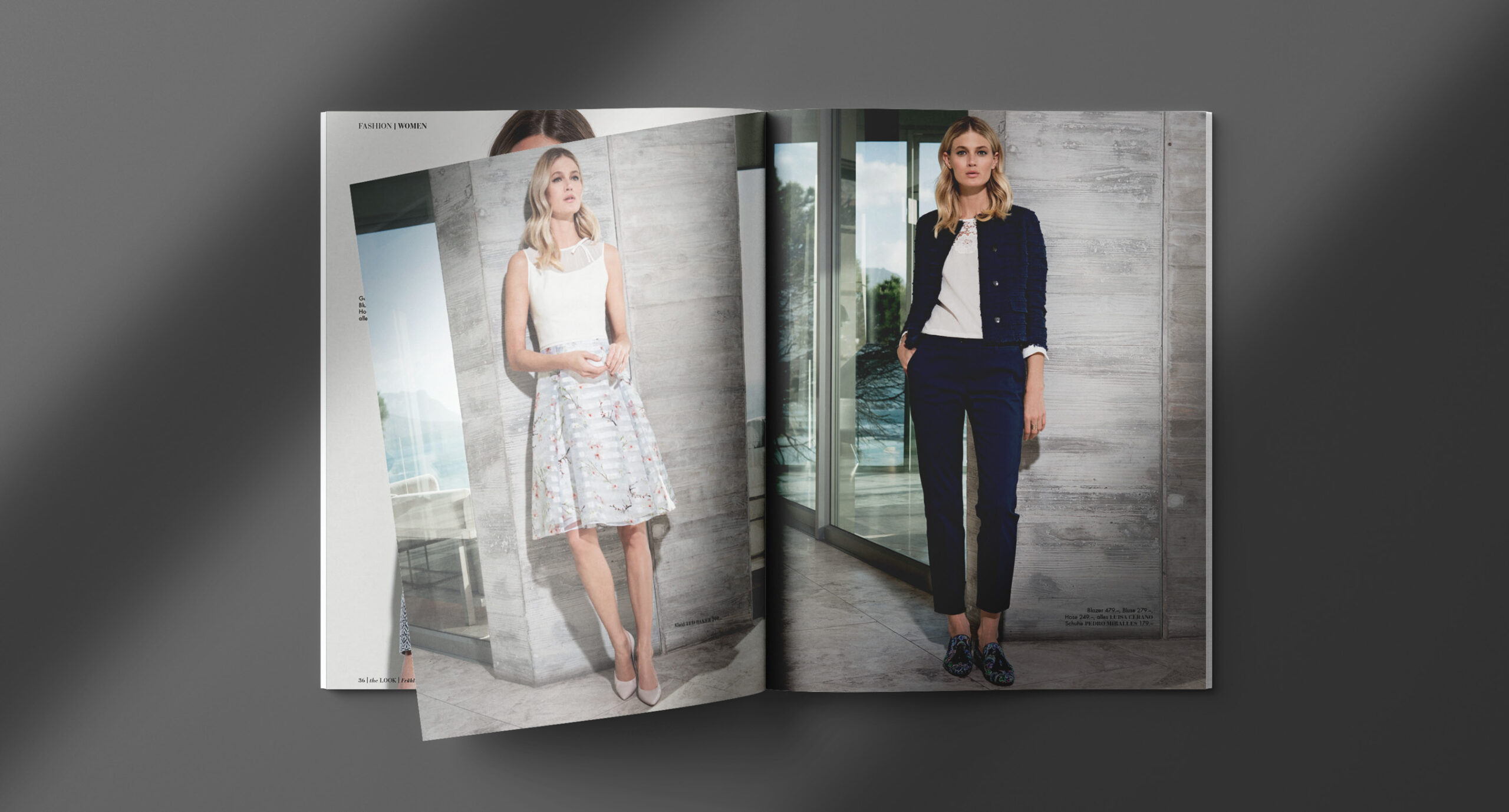
The campaigns were correct without being compelling. The editorial magalog The Look was functional without being seductive.
The gap was not between what PKZ sold and what customers wanted. It was between what PKZ sold and how PKZ looked. A premium product in a conventional visual register reads as ordinary. Closing that gap was the work.
The deeper question was generational. PKZ’s established customer trusted the brand implicitly. But the next generation of Swiss fashion consumers had no particular reason to choose it. Desirability had to be rebuilt without repositioning — elevated without feeling unfamiliar, contemporary without feeling unmoored.
The Decision
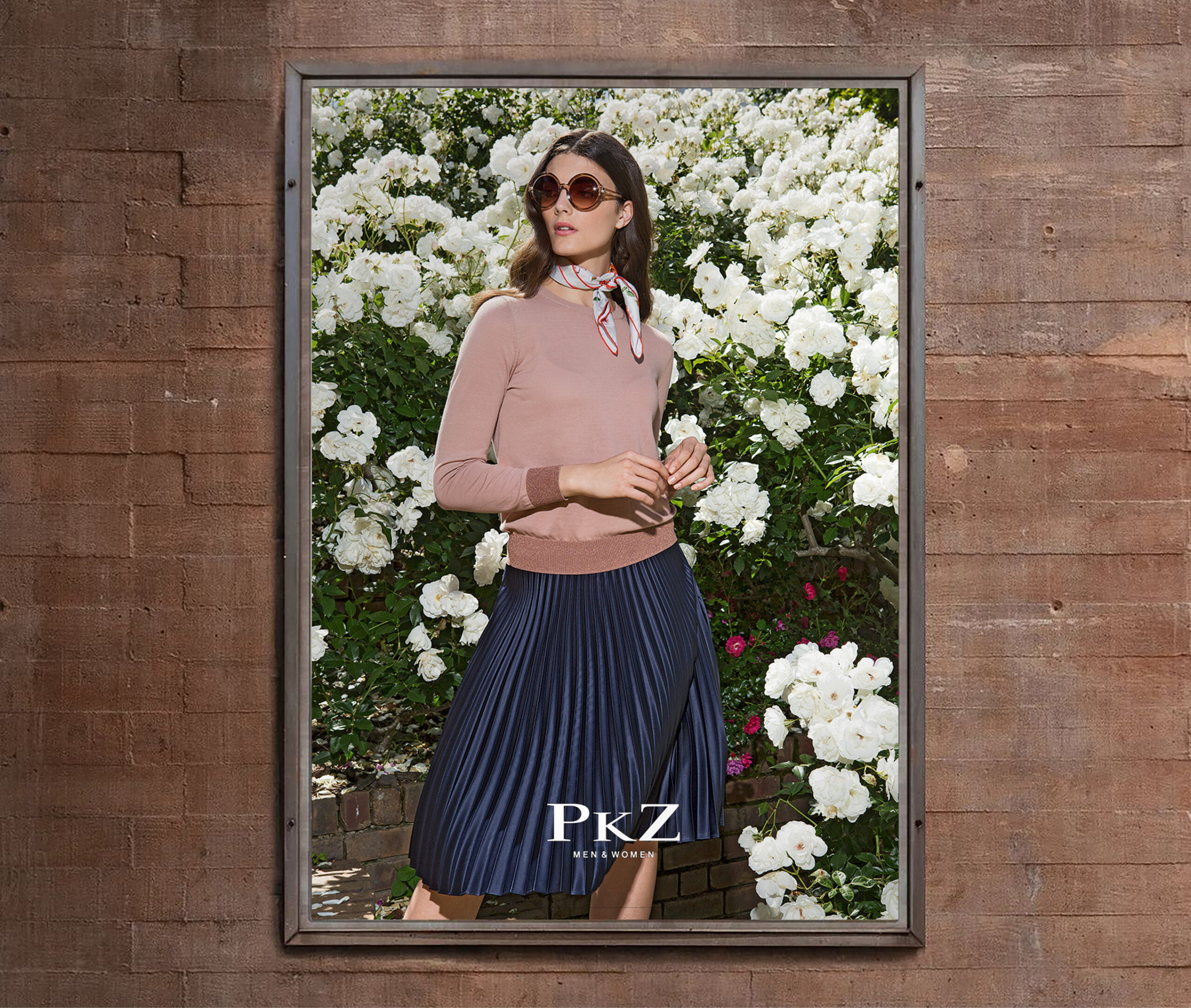
The central decision was editorial: to treat PKZ’s visual communication with the rigour of a fashion publication rather than a retail catalogue.
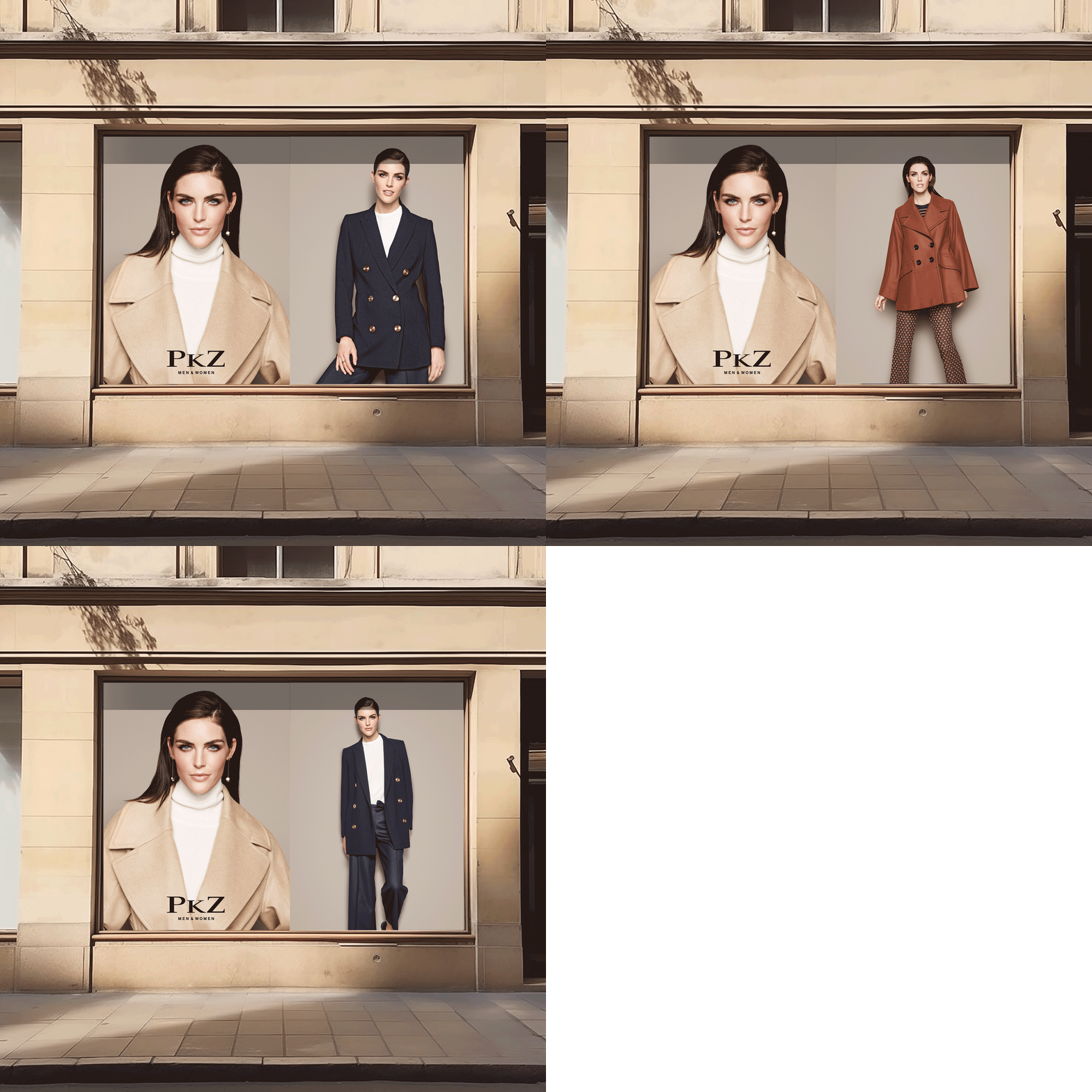
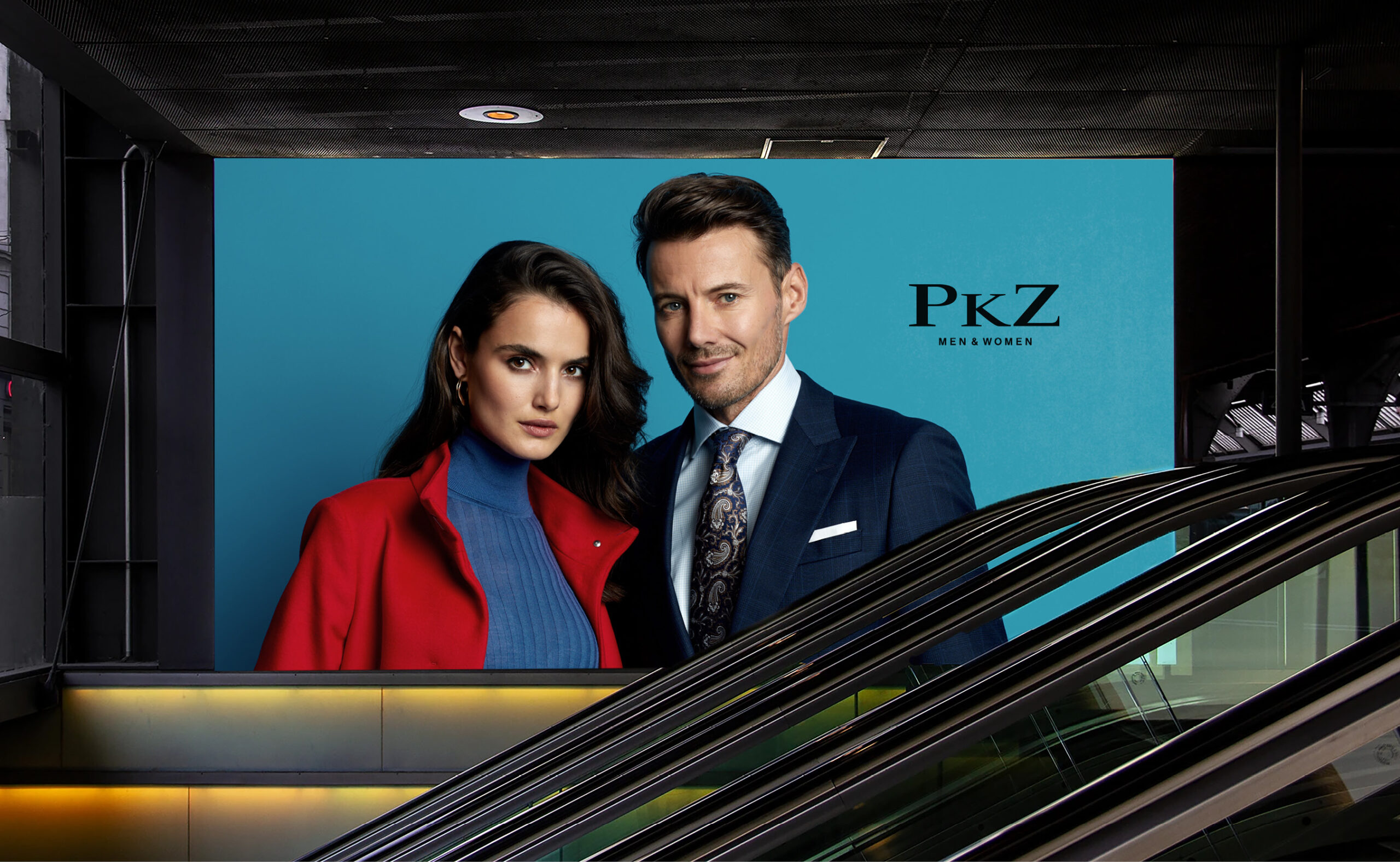
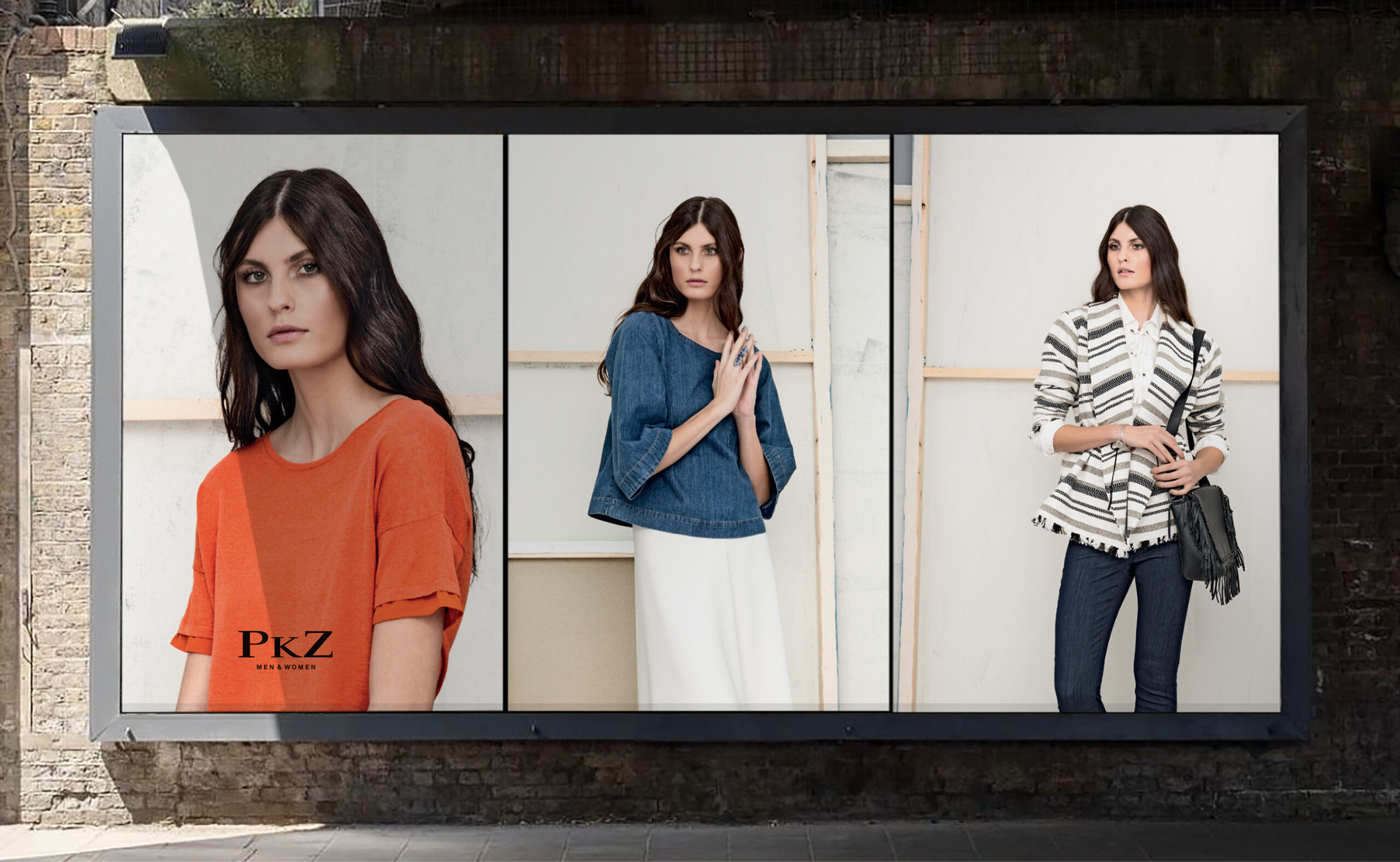
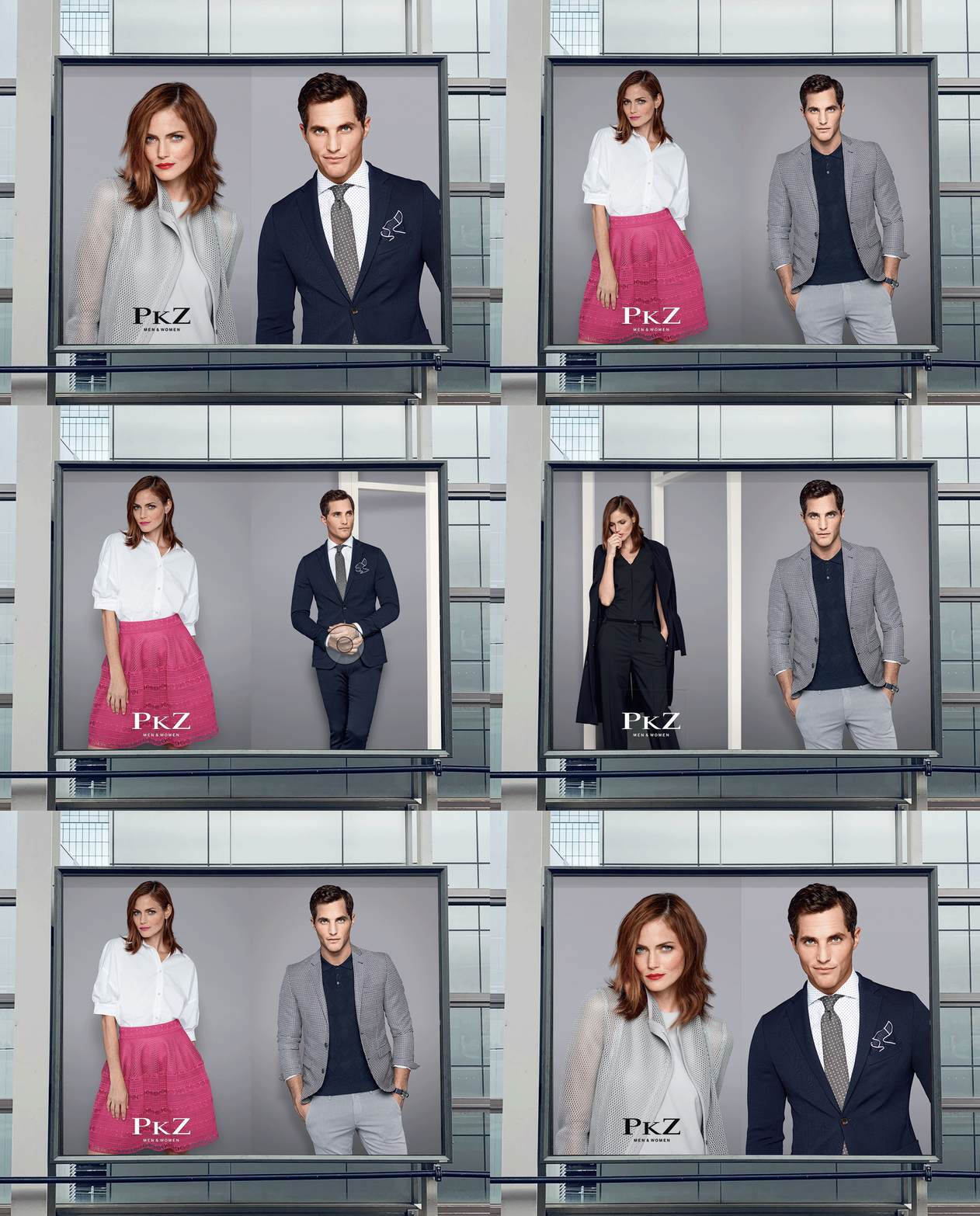
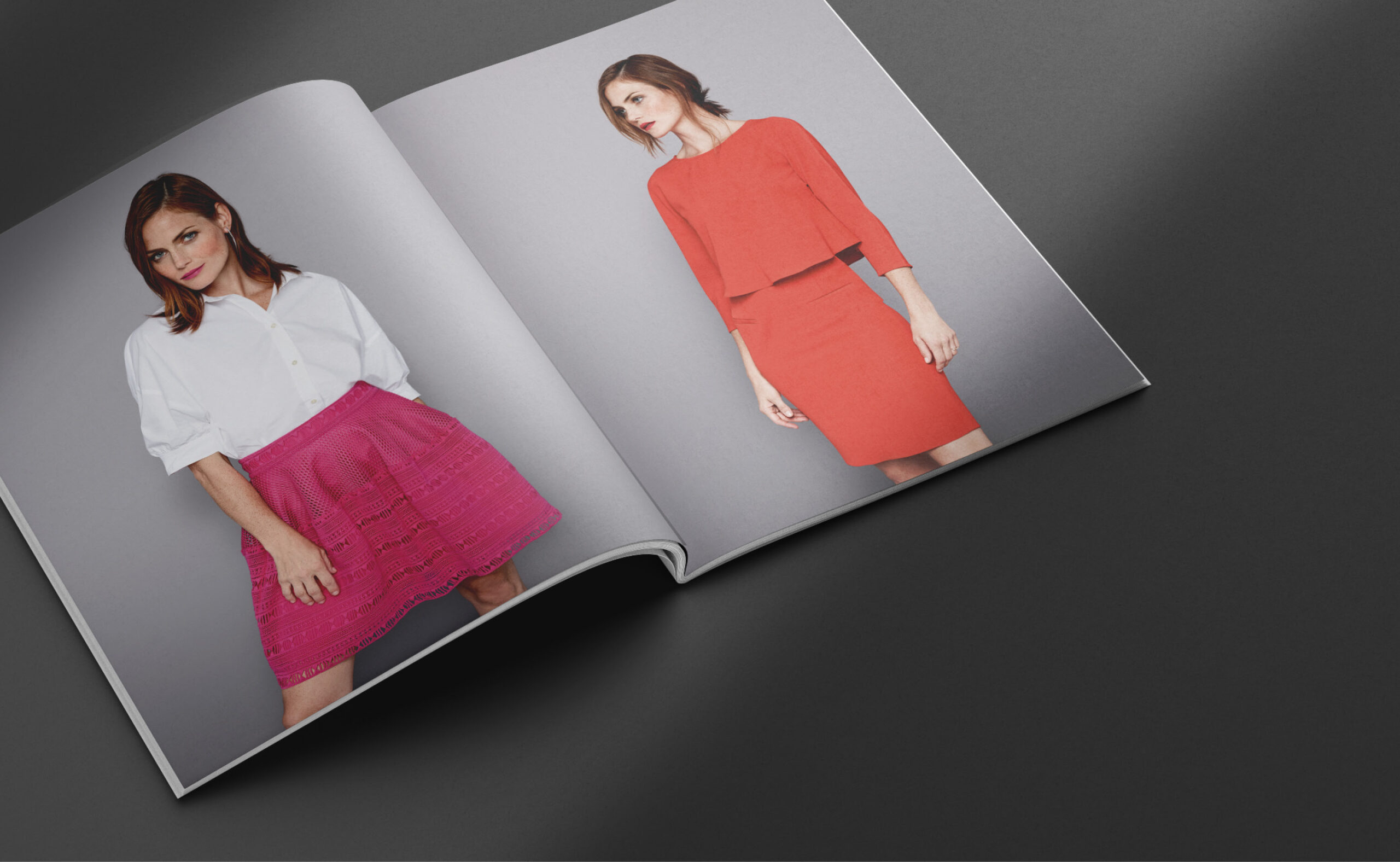
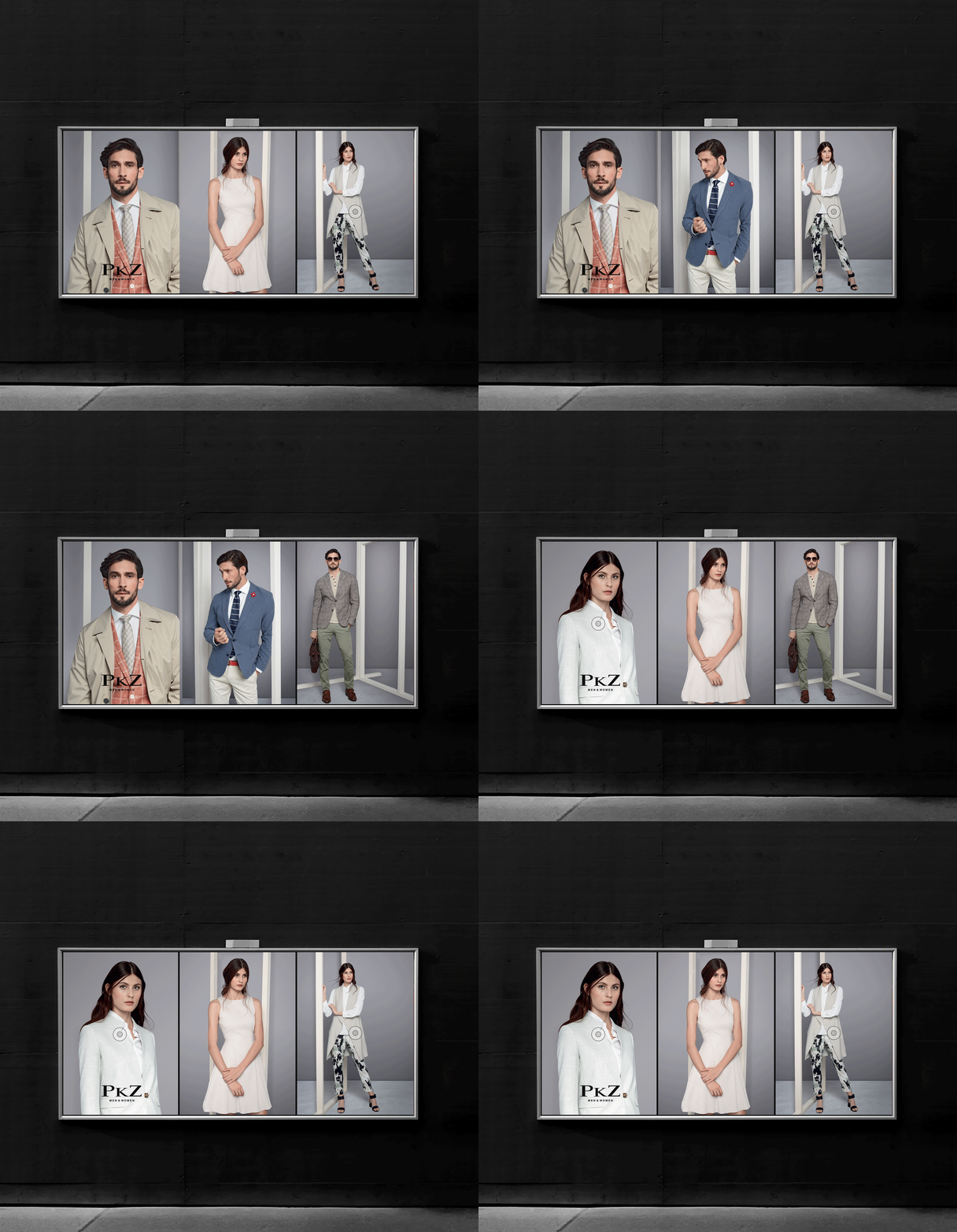
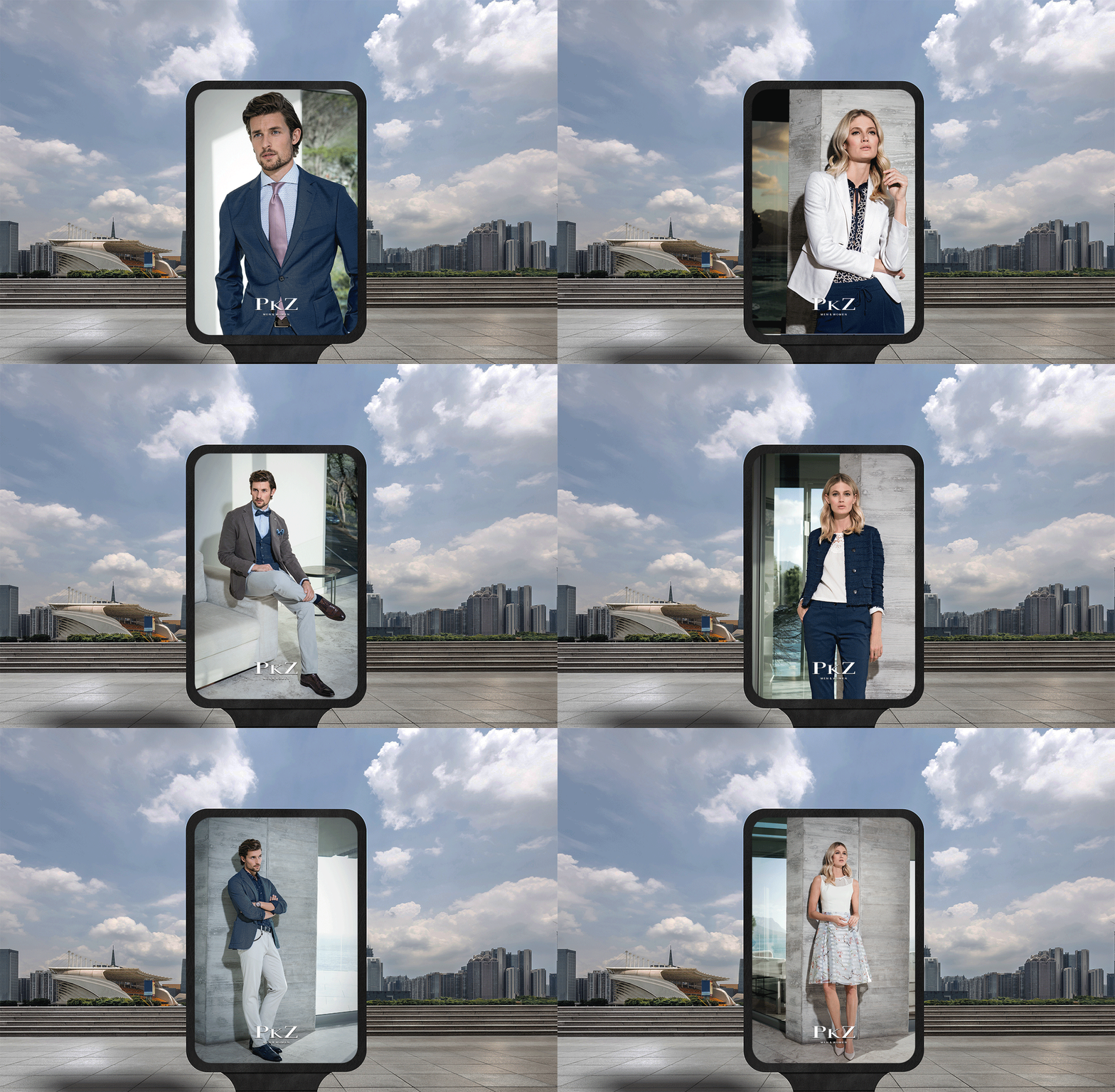
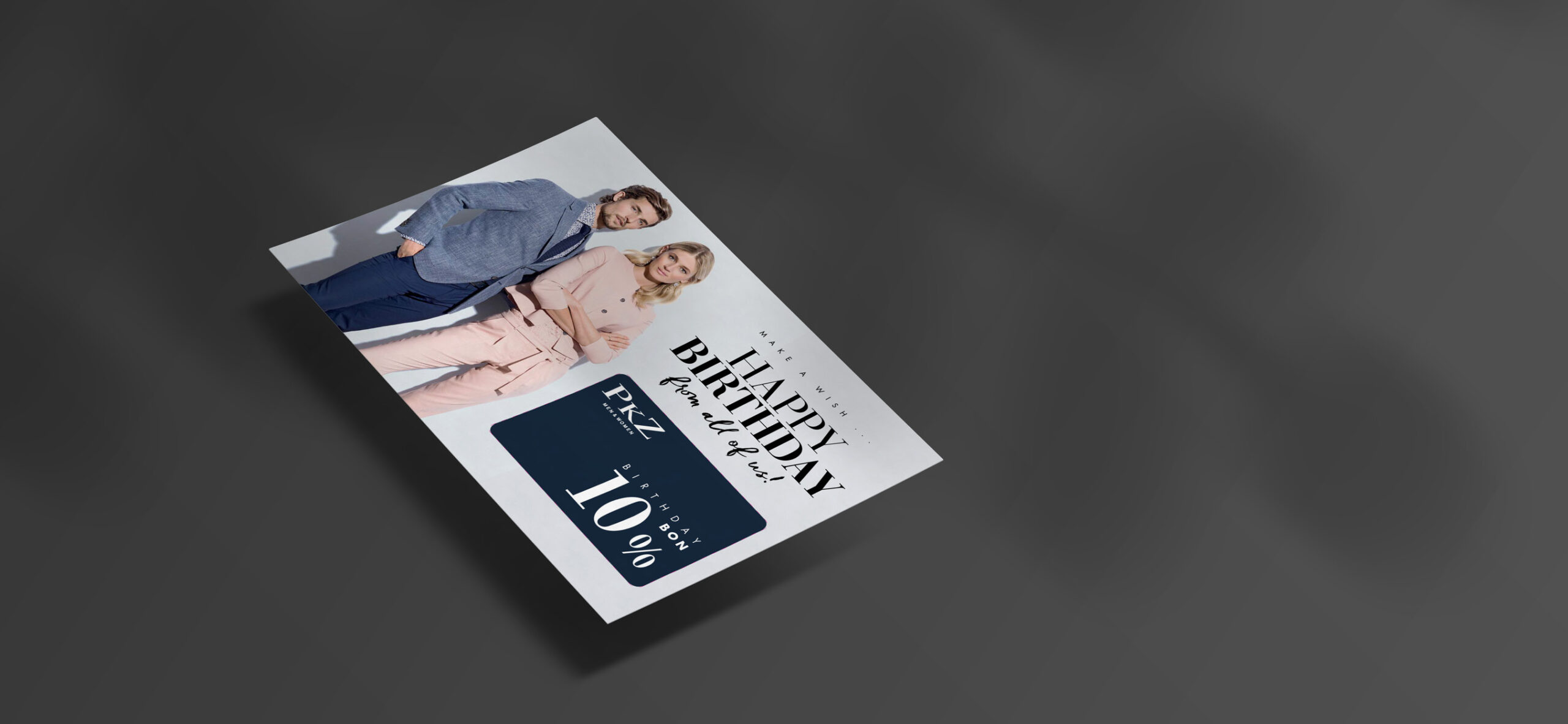
This meant casting at the level of the brand’s aspirations — not its current perception. Campaigns were shot with models carrying genuine international fashion credibility: Mini Anden, Hillary Rhoda, and Olli Edwards. Names that place an image inside a visual conversation. The photography became a statement of where PKZ belonged, not where it had been.
Over five years — first as Art Director, then as Creative Director — the visual system was rebuilt comprehensively. Each touchpoint redesigned to carry the same elevated register. The work expanded from execution to strategy: from making things look better to determining what they needed to say.
This is the distinction between a project and a creative partnership. PKZ was the latter — a long-term retainer relationship in which creative direction informed not just campaigns, but the brand’s entire visual identity across channels and markets.
The Work
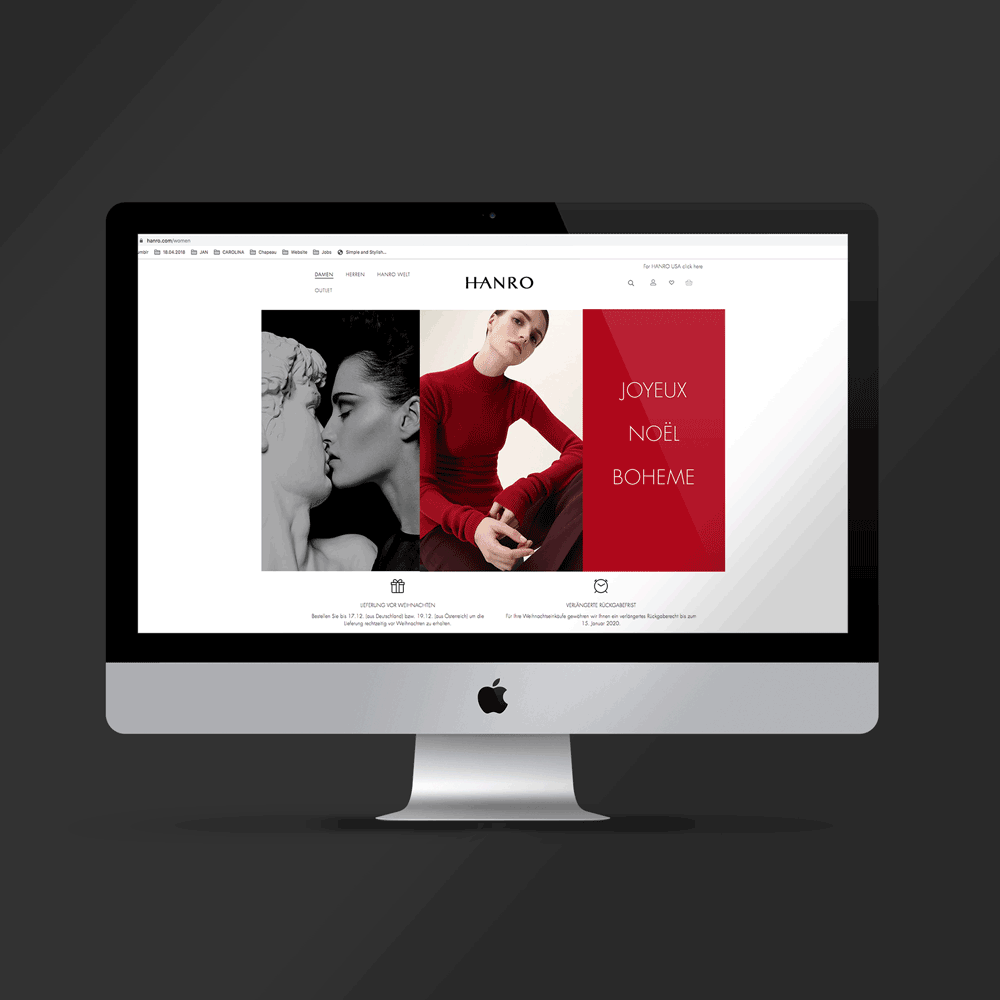
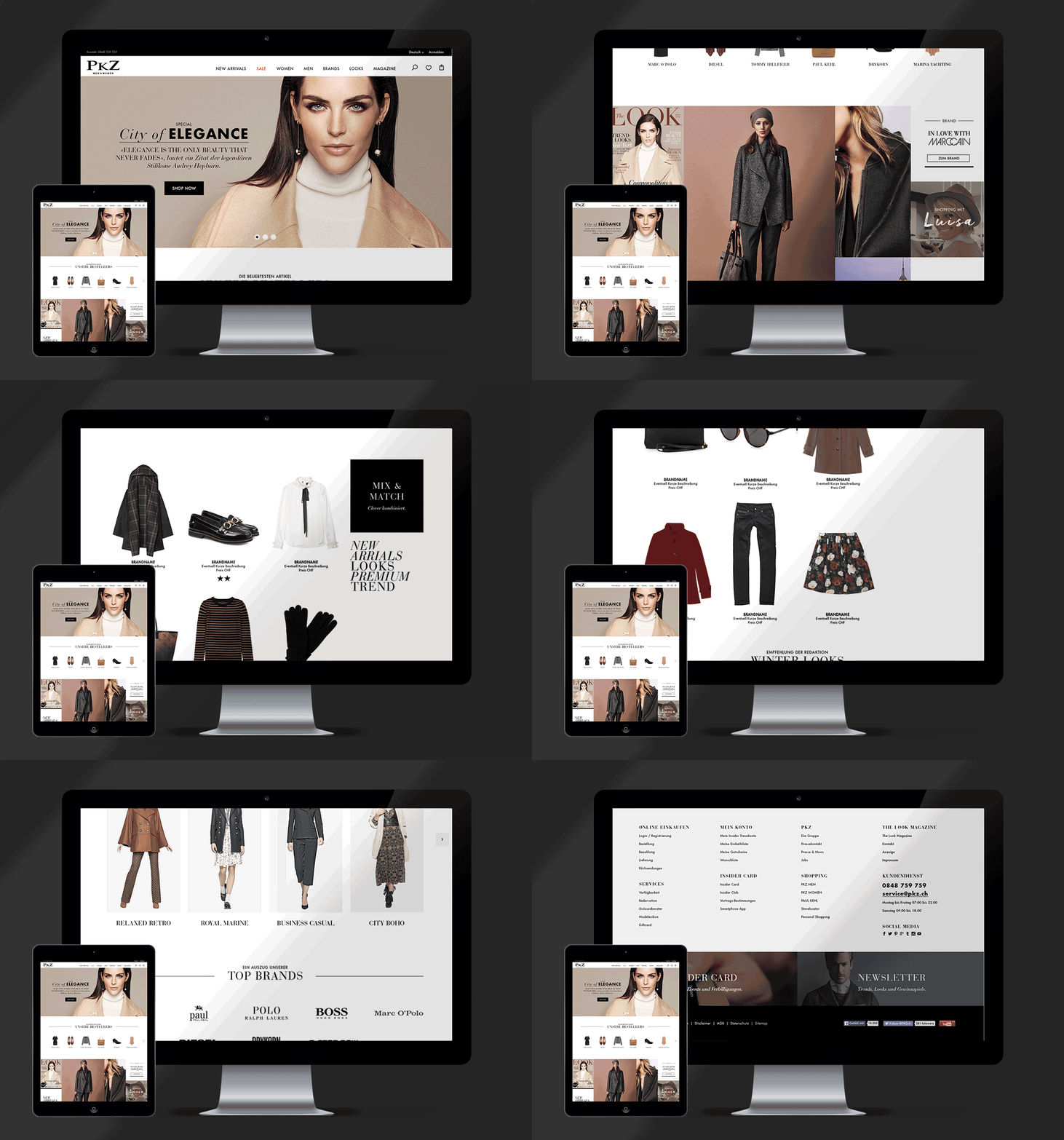
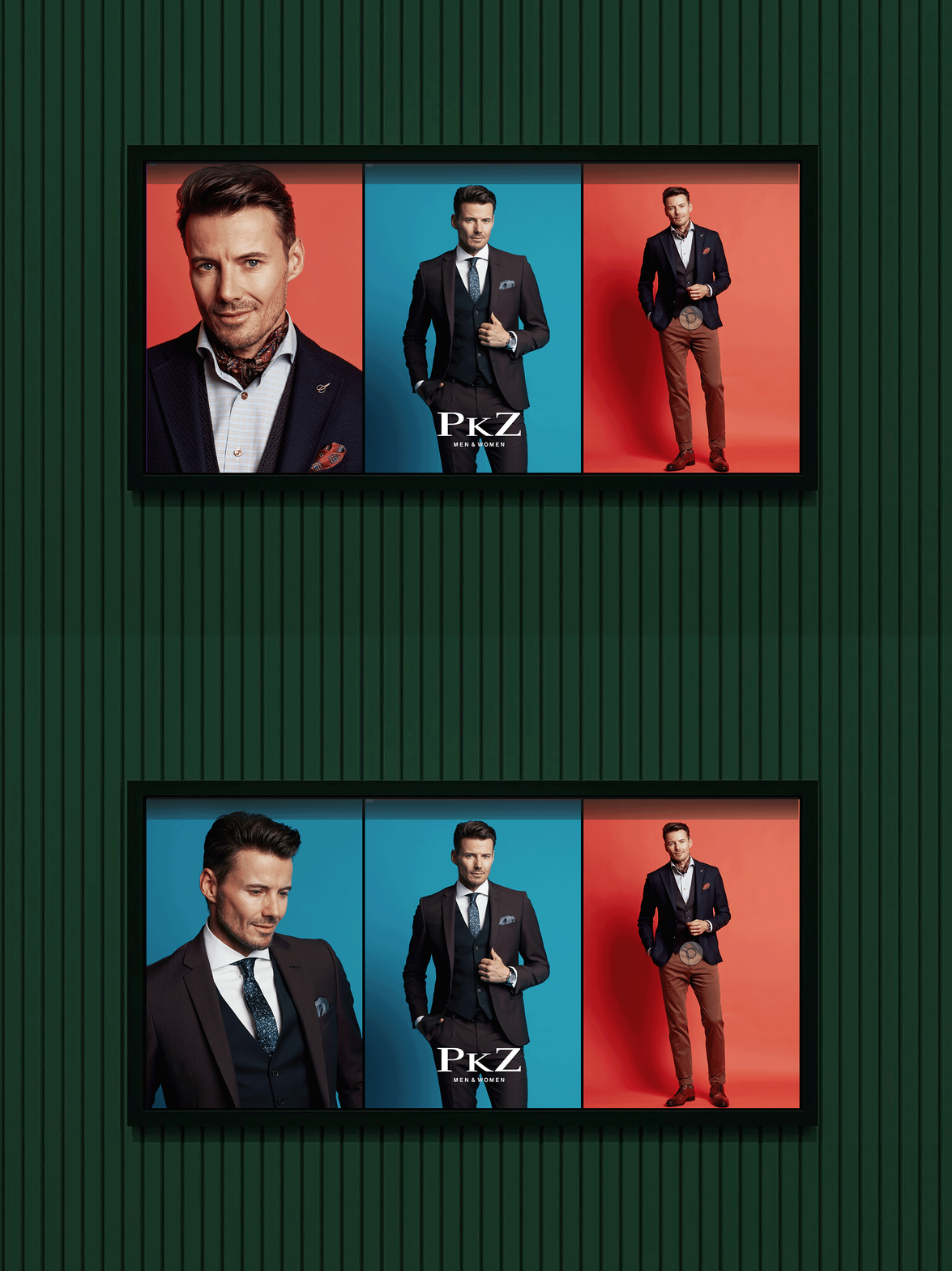
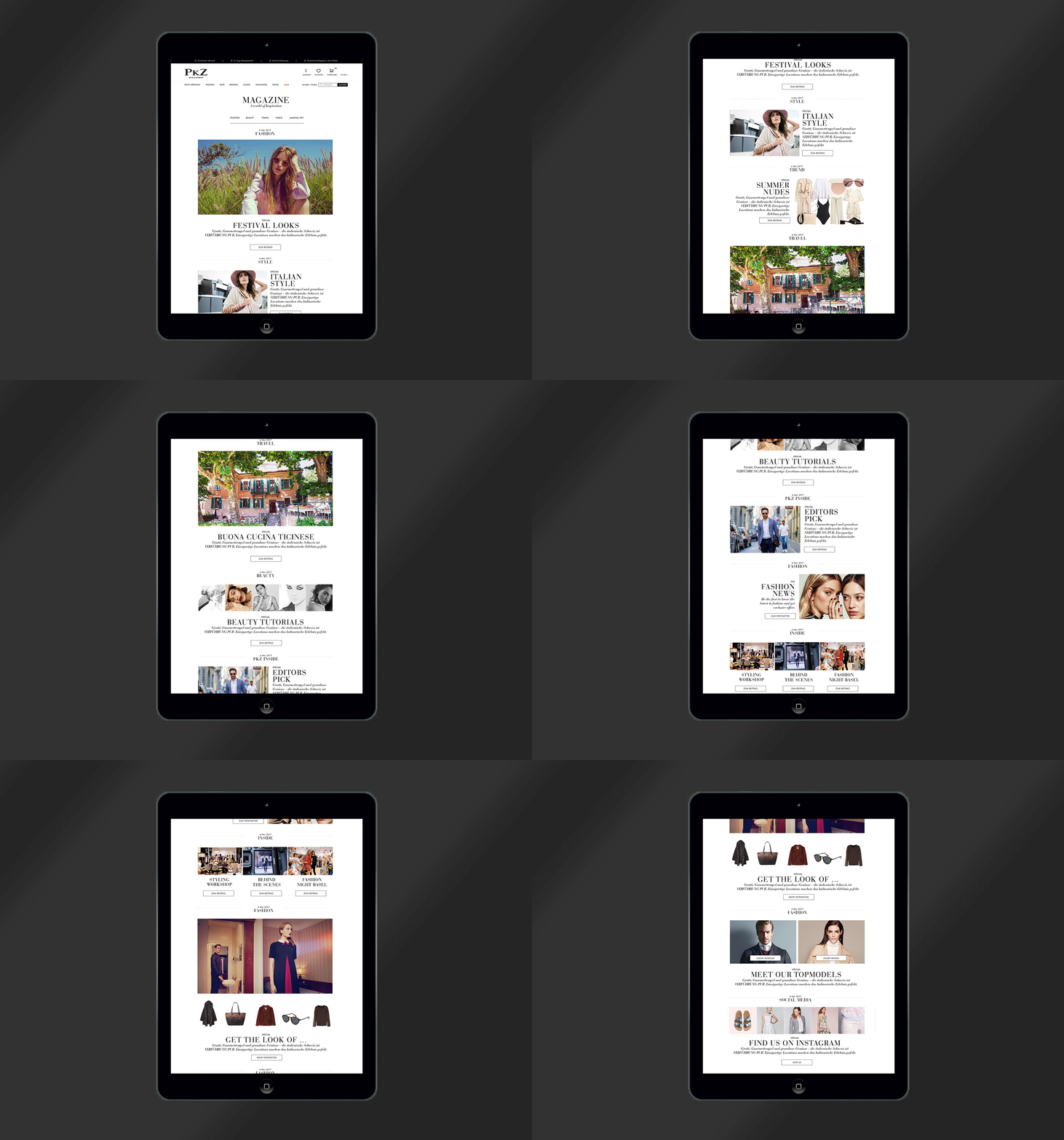
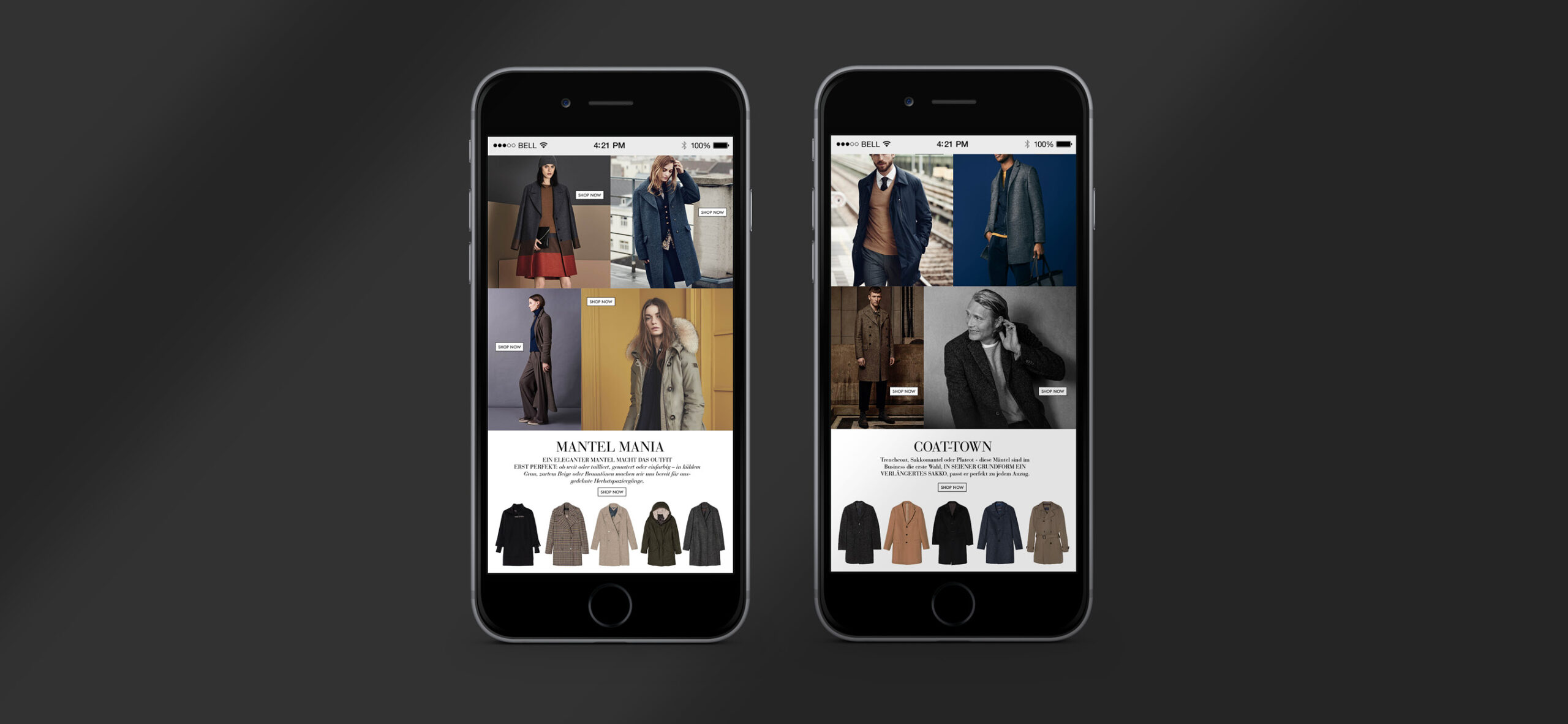
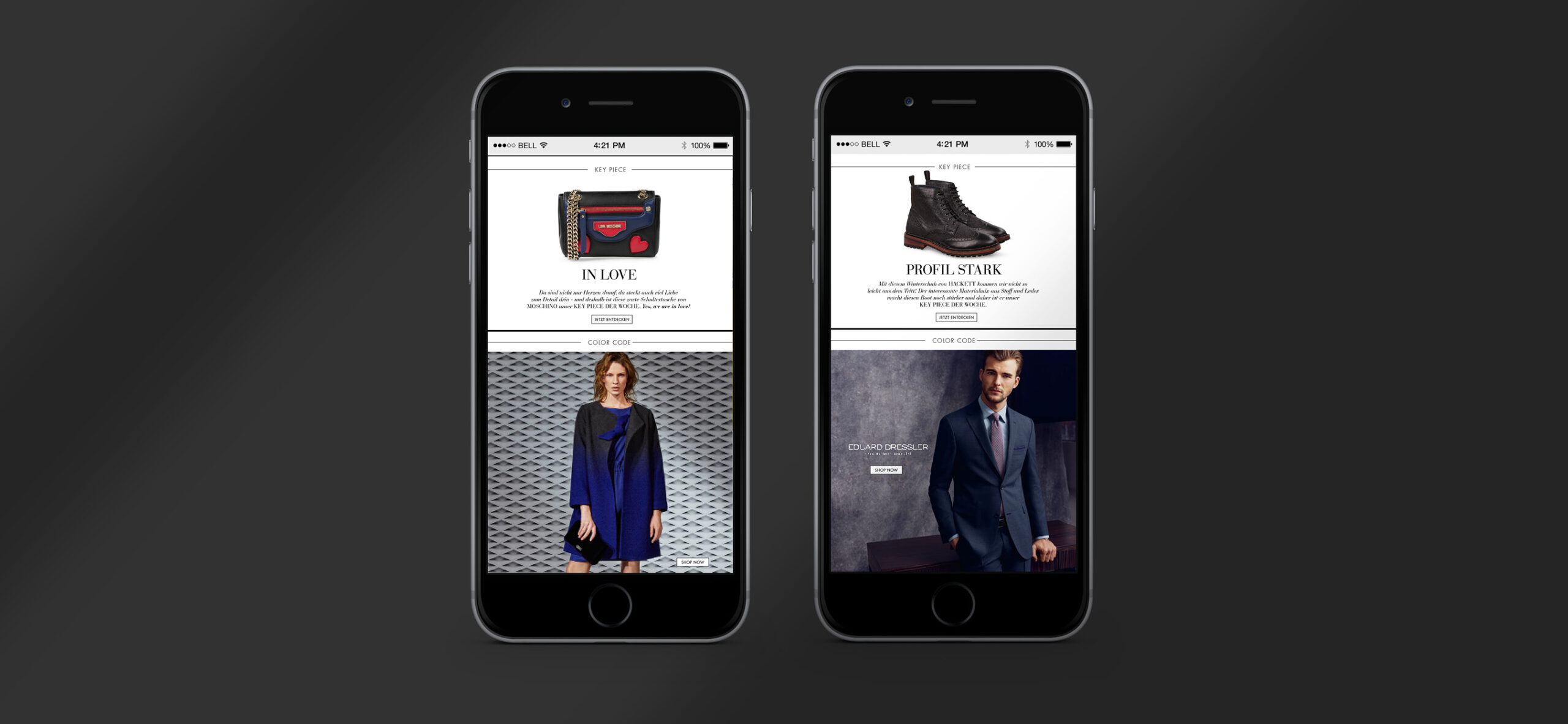
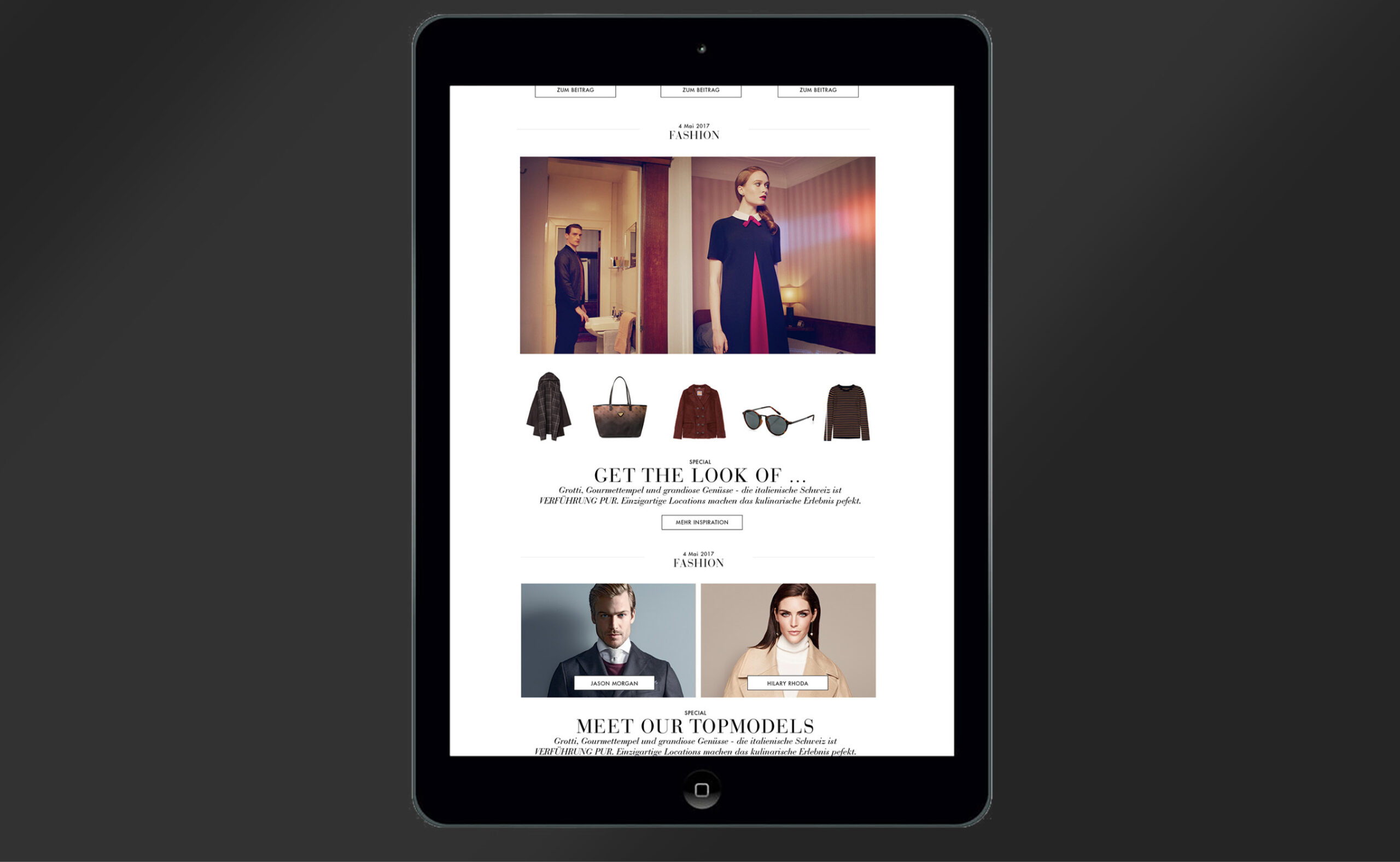
Campaign concept and direction for PKZ Men and PKZ Women — international shoots with Mini Anden, Hillary Rhoda, and Olli Edwards. Complete redesign and ongoing art direction of The Look magalog. E-commerce visual redesign and content direction. Newsletter and email campaign strategy. Social media direction targeting younger premium audiences. POS design and visual merchandising across 40+ Swiss retail locations. Creative team leadership of up to 20 across photography, videography, styling, and post-production.
Available as a long-term creative retainer — for brands requiring consistent strategic art direction across seasons and channels.
The Shift
Over five years, PKZ moved from trusted institution to brand with a visual point of view.
The magalog redesign delivered a 25% increase in sales for featured products. Digital initiatives achieved consistent CTR and conversion improvements across e-commerce and email. A younger audience began engaging through social content that no longer looked like retail communication.
The more significant shift was structural. A brand communicating below its own product level found a visual language equal to what it was actually selling. When that gap closes, trust deepens — and desirability follows.
That is what five years of consistent creative direction looks like when it operates with strategic intent.
Date
April 01, 2015